


Braided Money Tree in Kenya: Care, Benefits & Indoor Growing Guide
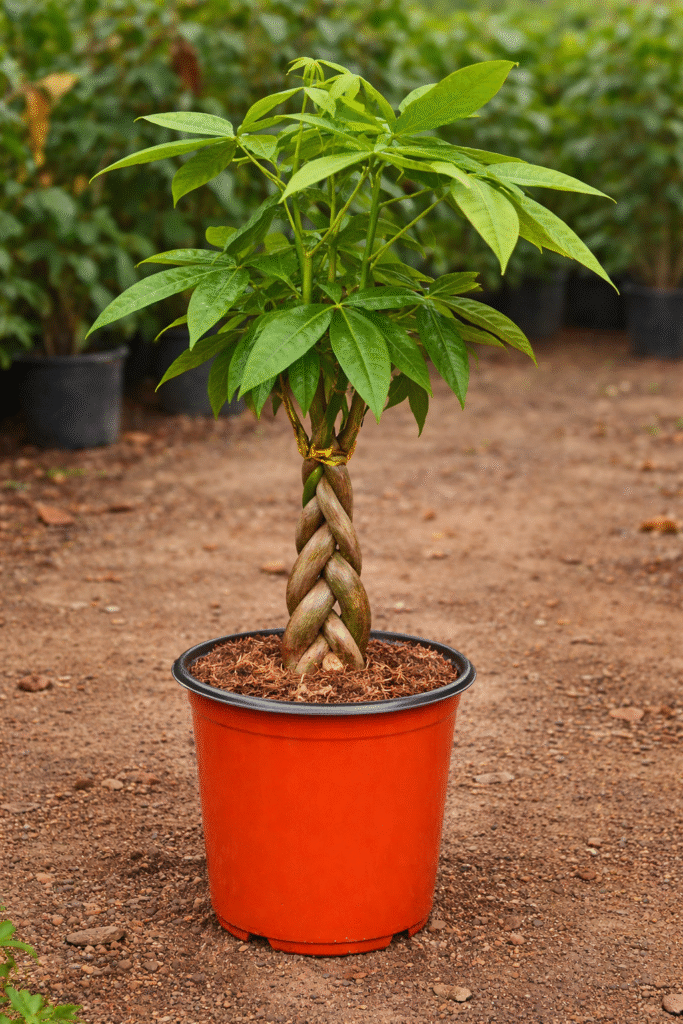
The Braided Money Tree, scientifically known as Pachira aquatica, is one of the most popular indoor plants in Kenya for homes, offices, and commercial spaces. Recognized by its braided trunk and lush green leaves, this plant is loved for both its decorative appeal and symbolic meaning. It thrives well in Kenyan indoor conditions and is ideal for anyone looking for low-maintenance indoor plants Kenya households trust. Beyond beauty, it is also valued for bringing positive energy and balance to interior spaces.
Why Grow This Plant?
- Symbolizes wealth, prosperity, and good fortune.
- Excellent air-purifying indoor plant.
- Low maintenance and beginner-friendly.
- Stylish braided trunk enhances modern interior décor.
- Adapts well to indoor environments and office spaces.
Cultural & Historical Significance
The Money Tree originates from Central and South America, where it grows naturally in swampy regions. In Asian cultures, especially in Feng Shui traditions, the braided Money Tree is believed to attract financial success and positive energy when placed in homes or workplaces. The five-leaf clusters are said to represent the five elements—wood, water, fire, earth, and metal. Today, the plant is globally recognized as a symbol of luck, stability, and growth.
Ideal Growing Conditions in Kenya
- Sunlight: Bright, indirect light; tolerates medium light.
- Temperature: 18–30°C, ideal for Nairobi, Kiambu, Nakuru, Eldoret, and Mombasa indoors.
- Soil: Well-draining potting mix enriched with organic matter.
- Watering: Water when the top 3–5 cm of soil is dry.
- Humidity: Moderate humidity; adapts well to normal indoor conditions.
How to Plant It
- Remove the Money Tree carefully from its nursery pot.
- Select a container with drainage holes to prevent waterlogging.
- Fill the pot halfway with a loose, well-draining potting mix.
- Place the plant upright and fill around the roots with soil.
- Water thoroughly and position the plant in bright, indirect light.
Care Tips
- Do not overwater—excess moisture can cause root rot.
- Rotate the plant every few weeks for even growth.
- Wipe leaves regularly to keep them glossy and dust-free.
- Fertilize once a month during the growing season.
- Prune lightly to maintain shape and remove weak growth.
Pests & Diseases
- Mealybugs: Appear as white cottony patches; treat with neem oil.
- Spider mites: Fine webs and yellowing leaves; increase humidity and spray with insecticidal soap.
- Aphids: Sticky residue on leaves; rinse and apply organic insecticide.
- Root rot: Caused by overwatering; ensure proper drainage.
Pet Safety
The Braided Money Tree is considered non-toxic to cats and dogs, making it a safe indoor plant choice for Kenyan households with pets.
Growing in Containers
This plant thrives in decorative ceramic, fiberglass, or plastic pots placed in living rooms, offices, and entryways. Choose a pot slightly larger than the root ball and avoid oversized containers. Ensure good drainage, as container-grown Money Trees are sensitive to excess water. It also performs well on balconies with filtered light.
Where to Buy This Plant in Kenya
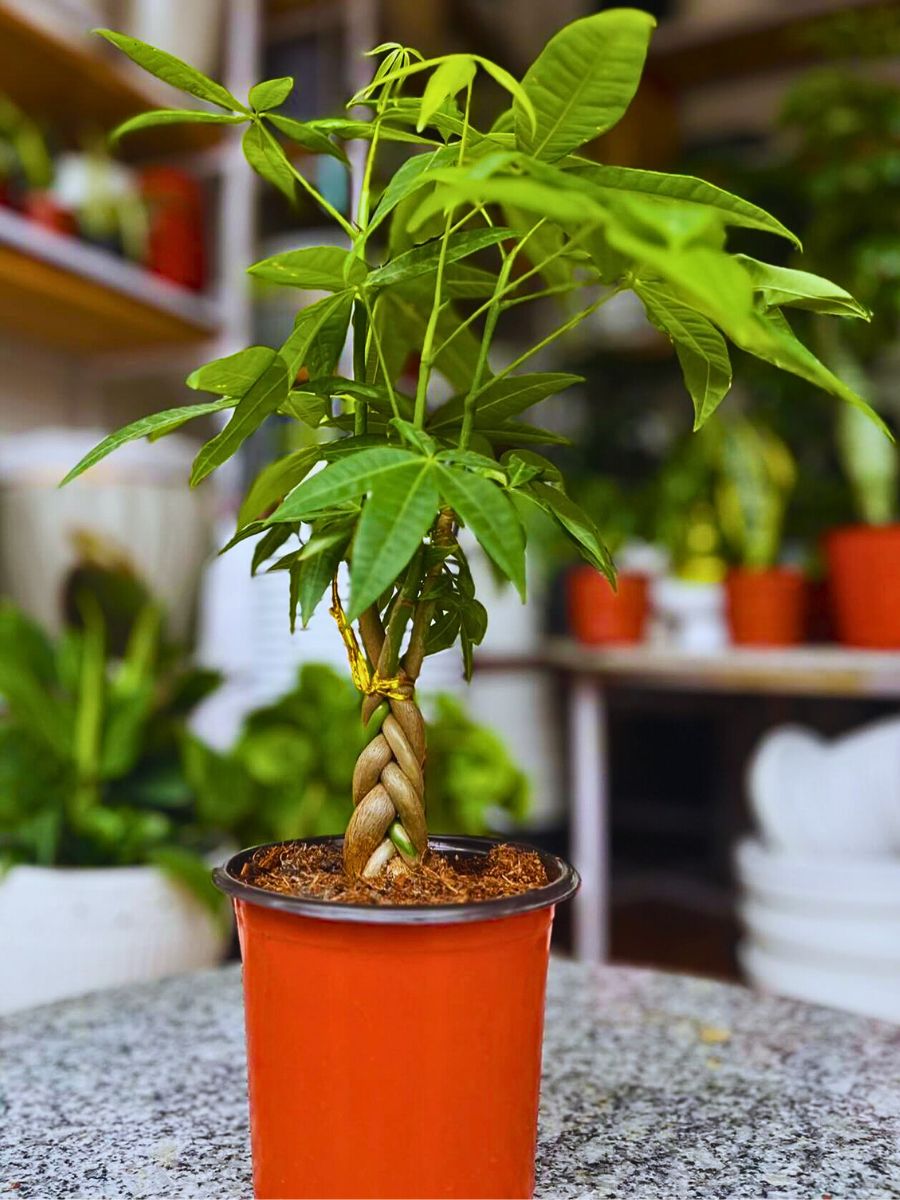
Buy healthy Braided Money Tree plants and premium pots from
Planters.co.ke — Kenya’s trusted online store for indoor plants, planters, and expert plant care solutions.
Final Thoughts
The Braided Money Tree is more than just a decorative plant—it brings symbolism, beauty, and improved air quality into your space. Its adaptability to Kenyan indoor conditions and minimal care requirements make it perfect for both homes and offices. If you’re looking to enhance your interior with a meaningful and stylish plant, the Money Tree is an excellent investment.