


Olive Trees in Kenya: Olea europaea Varieties & Olea africana Growing Guide
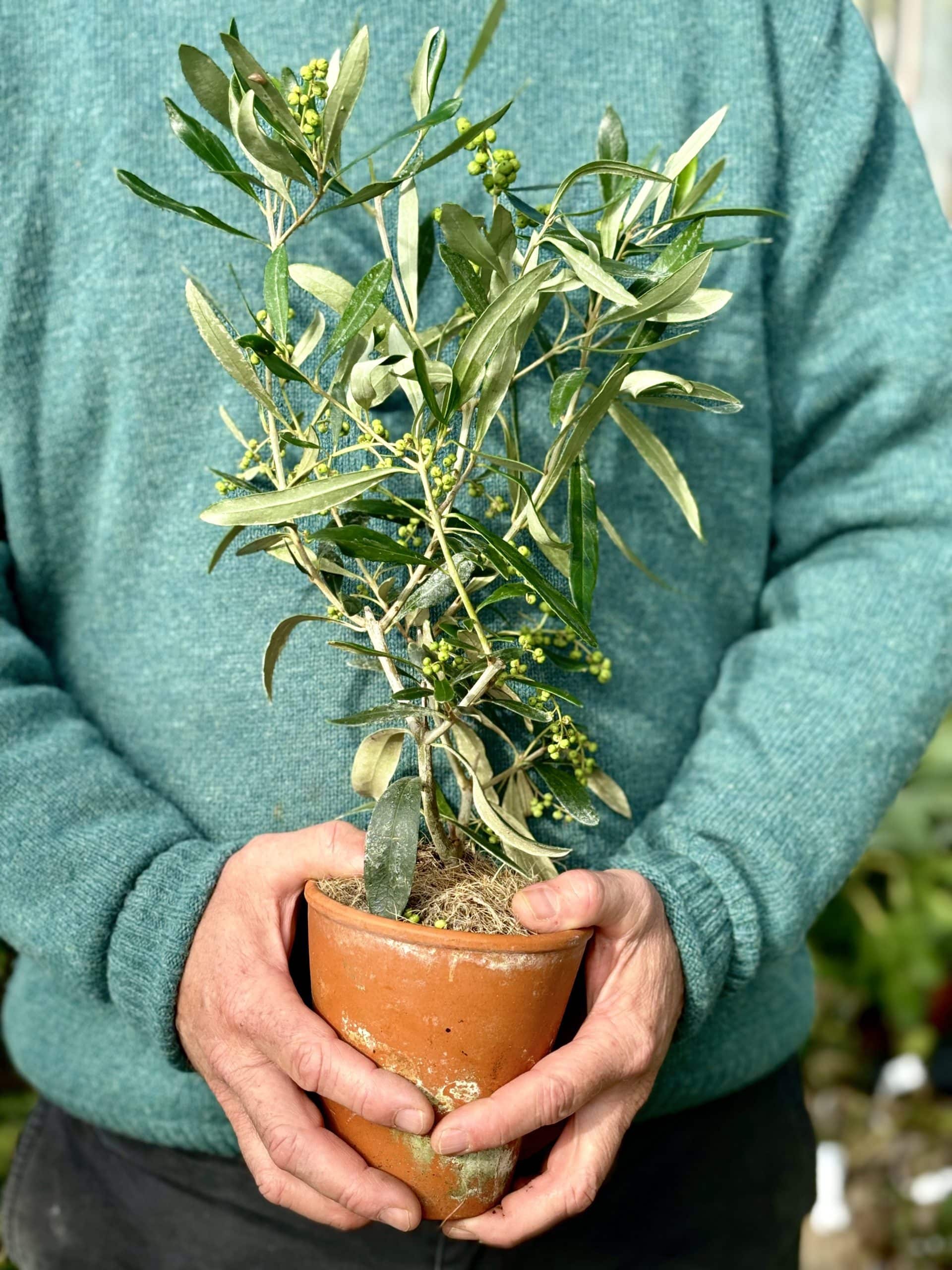
Olive trees are timeless, resilient, and highly valued for their beauty, symbolism, and practical uses. In Kenya, both Olea europaea (European olive varieties) and Olea africana (African Wild Olive) are increasingly grown for landscaping, fruit production, and cultural significance. These trees adapt well to Kenya’s diverse climates, from highland gardens to dry, semi-arid regions, making them an excellent long-term investment for homeowners, estates, and commercial landscapes.
Why Grow Olive Trees?
- Highly drought-tolerant and ideal for sustainable landscaping.
- Symbol of peace, longevity, and prosperity.
- Produces edible olives and olive oil (European varieties).
- Low-maintenance once established.
- Excellent ornamental tree for Mediterranean-style gardens.
Cultural & Historical Significance
Olive trees have deep historical roots across Africa, Europe, and the Middle East. Olea europaea has been cultivated for over 6,000 years and is central to Mediterranean culture, symbolizing wisdom, peace, and abundance. Olive oil was used in ancient Greece, Rome, and Egypt for food, medicine, and religious rituals. Olea africana, native to East and Southern Africa, holds cultural and spiritual importance in many African communities, often planted near homesteads and sacred sites as a symbol of protection, strength, and continuity.
European Olive Varieties (Olea europaea)
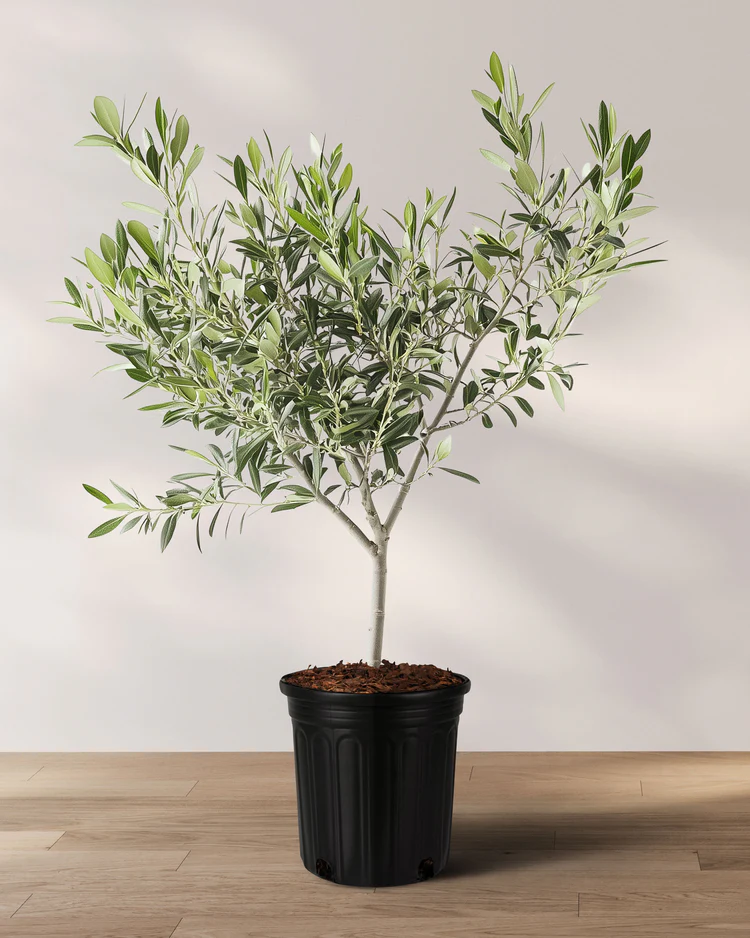
European olive trees are grown mainly for fruit and oil production, as well as ornamental value. Popular cultivars perform well in Kenya’s highlands and dry regions.
- Arbequina: Compact, early-fruiting variety ideal for small farms and container growing.
- Koroneiki: High oil yield, drought-resistant, and well-suited to warm regions.
- Manzanilla: Popular table olive with medium-sized fruit.
- Frantoio: Italian variety valued for premium olive oil.
- Picual: Strong-flavored oil, tolerant to heat and poor soils.
African Olive (Olea africana)
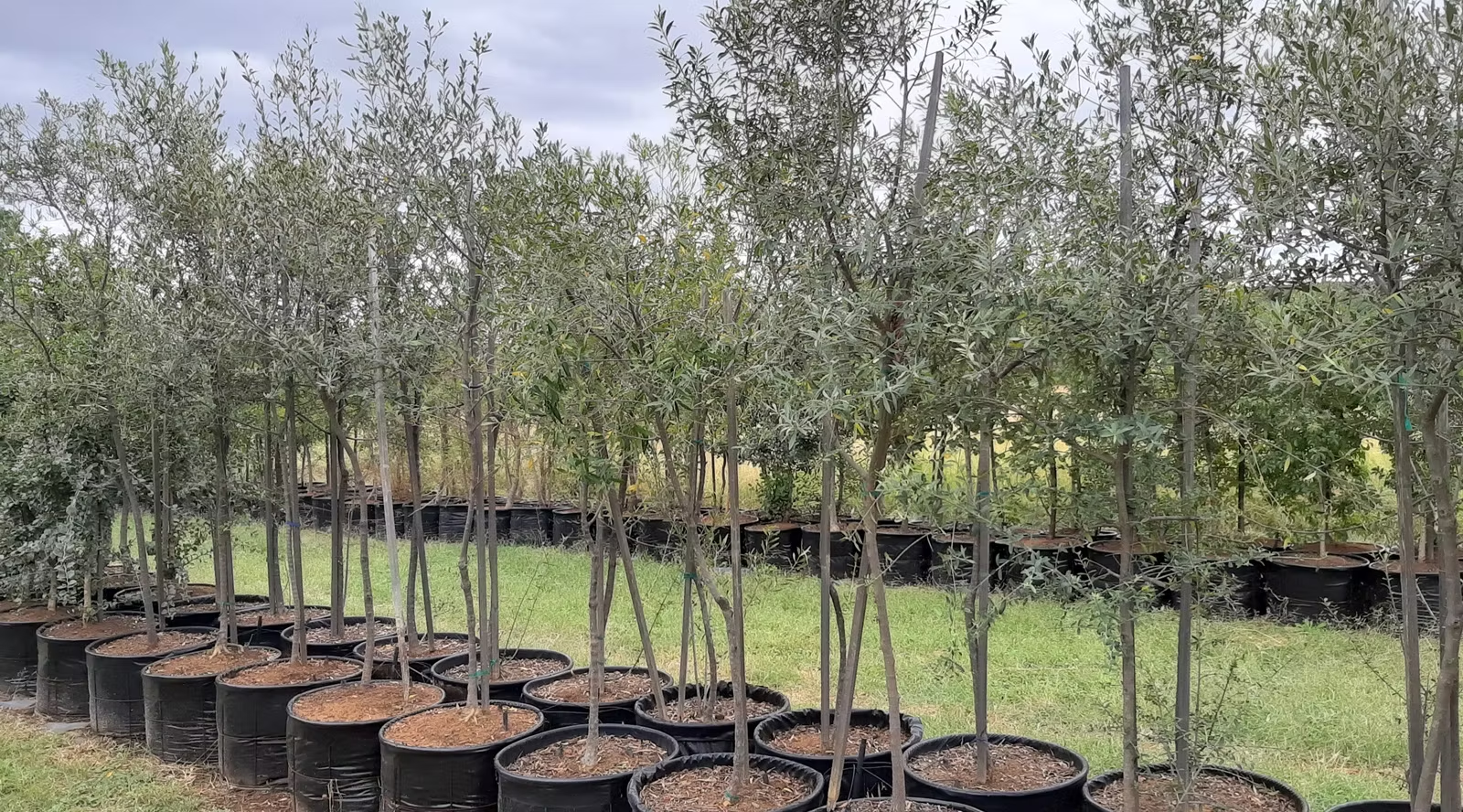
Olea africana, also known as the African Wild Olive, is indigenous to Kenya and much of sub-Saharan Africa. It is primarily grown for landscaping, windbreaks, and ecological restoration rather than fruit production. The tree is extremely hardy, long-lived, and well-adapted to Kenyan conditions.
- Excellent for reforestation and soil conservation.
- Produces small, non-commercial fruits.
- Highly resistant to pests, drought, and harsh weather.
- Commonly used as a shade tree or boundary marker.
Ideal Growing Conditions in Kenya
- Sunlight: Full sun—at least 6–8 hours daily.
- Temperature: 15–30°C; tolerates mild frost in highland areas.
- Soil: Well-draining, sandy or loamy soil; avoids waterlogged areas.
- Watering: Low to moderate; drought-tolerant once established.
- Best Regions: Nairobi outskirts, Naivasha, Nanyuki, Laikipia, Machakos, Kajiado, and parts of Rift Valley.
How to Plant Olive Trees
- Choose a sunny location with good drainage.
- Dig a hole twice as wide as the root ball.
- Place the tree upright and backfill with soil mixed with compost.
- Firm the soil gently and water thoroughly.
- Mulch around the base, leaving space around the trunk.
Care Tips
- Water young trees regularly until established.
- Prune lightly to shape and encourage airflow.
- Apply organic compost or slow-release fertilizer once or twice a year.
- Avoid excessive watering, especially during rainy seasons.
- Protect young trees from strong winds.
Pests & Diseases
- Olive fruit fly: Affects fruiting varieties; use traps and organic controls.
- Scale insects: Appear as bumps on stems; treat with neem oil.
- Leaf spot: Caused by fungal infections; improve airflow.
- Root rot: Due to poor drainage; plant in well-drained soil.
Pet Safety
Olive trees (both Olea europaea and Olea africana) are generally non-toxic to cats and dogs, making them safe for Kenyan households and gardens.
Growing Olive Trees in Containers
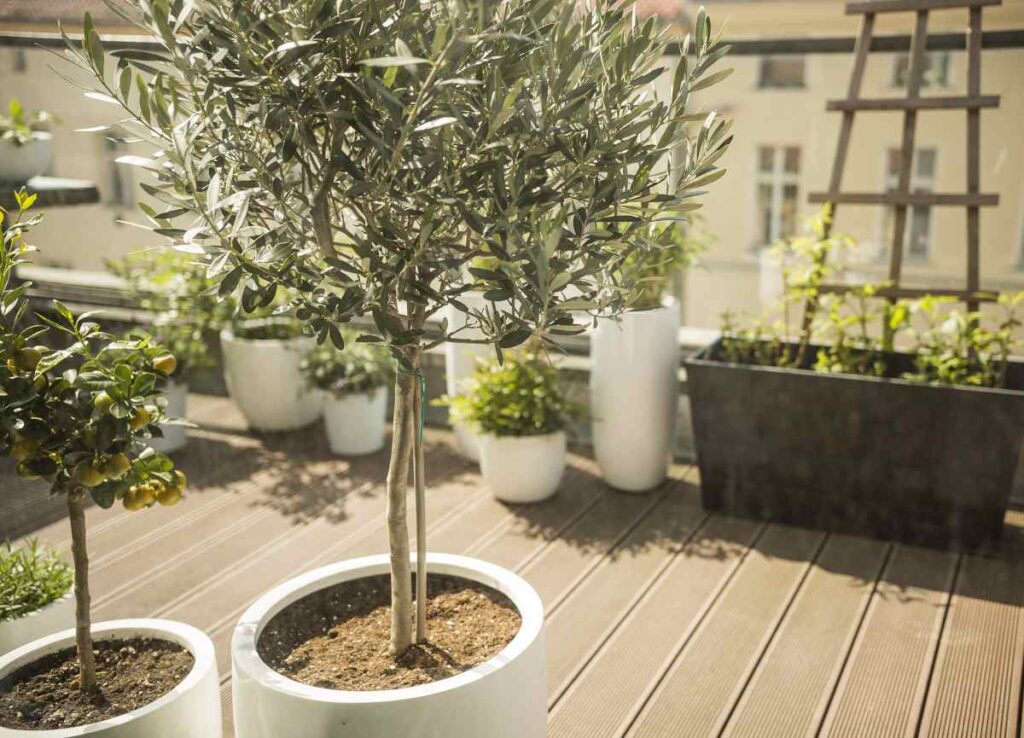
European olive varieties can be successfully grown in large containers, making them suitable for patios, verandas, and balconies. Use deep pots with excellent drainage and a sandy, well-draining soil mix. Container-grown olives require slightly more frequent watering and feeding but remain compact and highly decorative.
Where to Buy Olive Trees in Kenya
Buy healthy European olive varieties and African olive trees from
Planters.co.ke — Kenya’s trusted source for quality trees, planters, and expert plant care solutions.
Final Thoughts
Olive trees are a powerful blend of beauty, history, and resilience. Whether you choose Olea europaea for fruit and ornamental value or Olea africana for landscaping and ecological benefits, these trees thrive exceptionally well in Kenya. With minimal care and long-term rewards, olive trees are a smart and meaningful addition to any garden or property.
“`