


Jasmine Stephanotis : Care, Benefits & Growing Guide
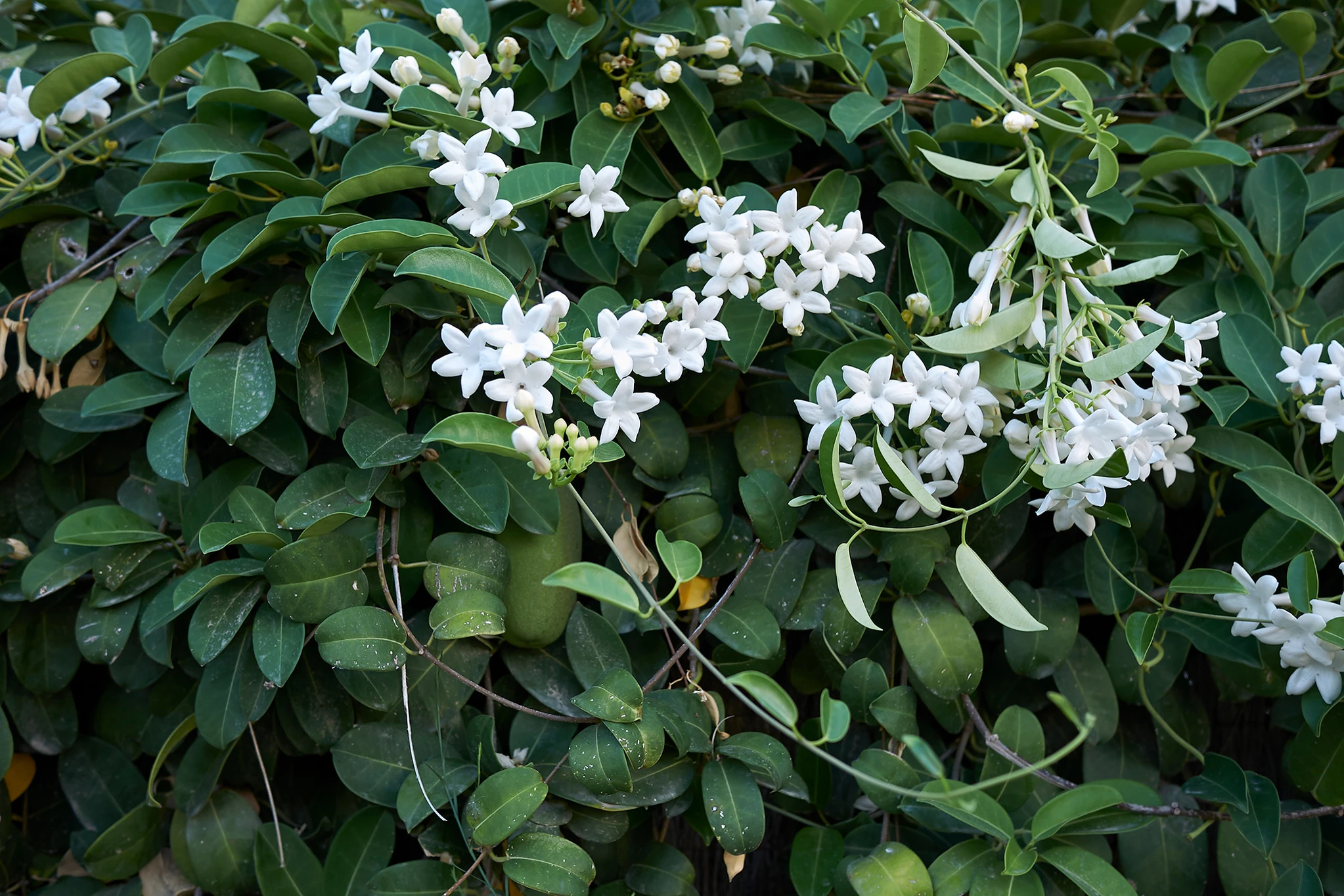
Jasmine Stephanotis, commonly known as Madagascar Jasmine, is a highly prized flowering vine in Kenya due to its elegant white blooms and sweet fragrance. Popular in home gardens, weddings, and balconies, this plant adds a touch of luxury and romance to both indoor and outdoor spaces. Its glossy green leaves and long-lasting flowers make it a favorite among Kenyan plant lovers seeking beauty with a classic appeal.
Why Grow Jasmine Stephanotis?
- Produces intensely fragrant white flowers ideal for homes and events.
- Excellent climbing plant for trellises, balconies, and verandas.
- Enhances outdoor aesthetics with evergreen foliage.
- Symbolic plant often used in weddings and celebrations.
- Can be grown in pots or directly in the garden.
Cultural & Historical Significance
Stephanotis floribunda originates from Madagascar and has long been associated with love, purity, and commitment. In Europe and Asia, it is traditionally used in bridal bouquets and ceremonial décor. Across Africa, fragrant jasmine varieties are linked to hospitality, calmness, and spiritual cleansing, often planted near homes to create a welcoming and peaceful environment.
Ideal Growing Conditions in Kenya
- Sunlight: Bright light with partial sun; avoid harsh midday sun.
- Temperature: 18–28°C; prefers warm, stable conditions.
- Soil: Well-draining, rich loamy soil.
- Watering: Moderate; keep soil moist but not waterlogged.
- Best Regions: Nairobi, Kiambu, Limuru, Nakuru, Nyeri, and coastal regions with mild humidity.
How to Plant Jasmine Stephanotis
- Choose a location with bright indirect sunlight.
- Prepare well-draining soil mixed with compost.
- Remove the plant gently from the nursery bag.
- Plant at the same depth as the nursery container.
- Water thoroughly and provide a trellis or support.
Care Tips
- Water consistently, especially during dry seasons.
- Feed monthly with a balanced flowering fertilizer.
- Prune lightly after flowering to maintain shape.
- Mist occasionally to increase humidity.
- Protect from cold drafts and strong winds.
Pests & Diseases
- Aphids: Cause leaf curling; treat with neem oil.
- Spider mites: Appear in dry conditions; increase humidity.
- Mealybugs: White cotton-like pests; remove manually or use organic sprays.
- Root rot: Caused by overwatering; ensure good drainage.
Pet Safety
Jasmine Stephanotis is considered mildly toxic if ingested by cats and dogs. It is best kept out of reach of pets in Kenyan households.
Growing in Containers
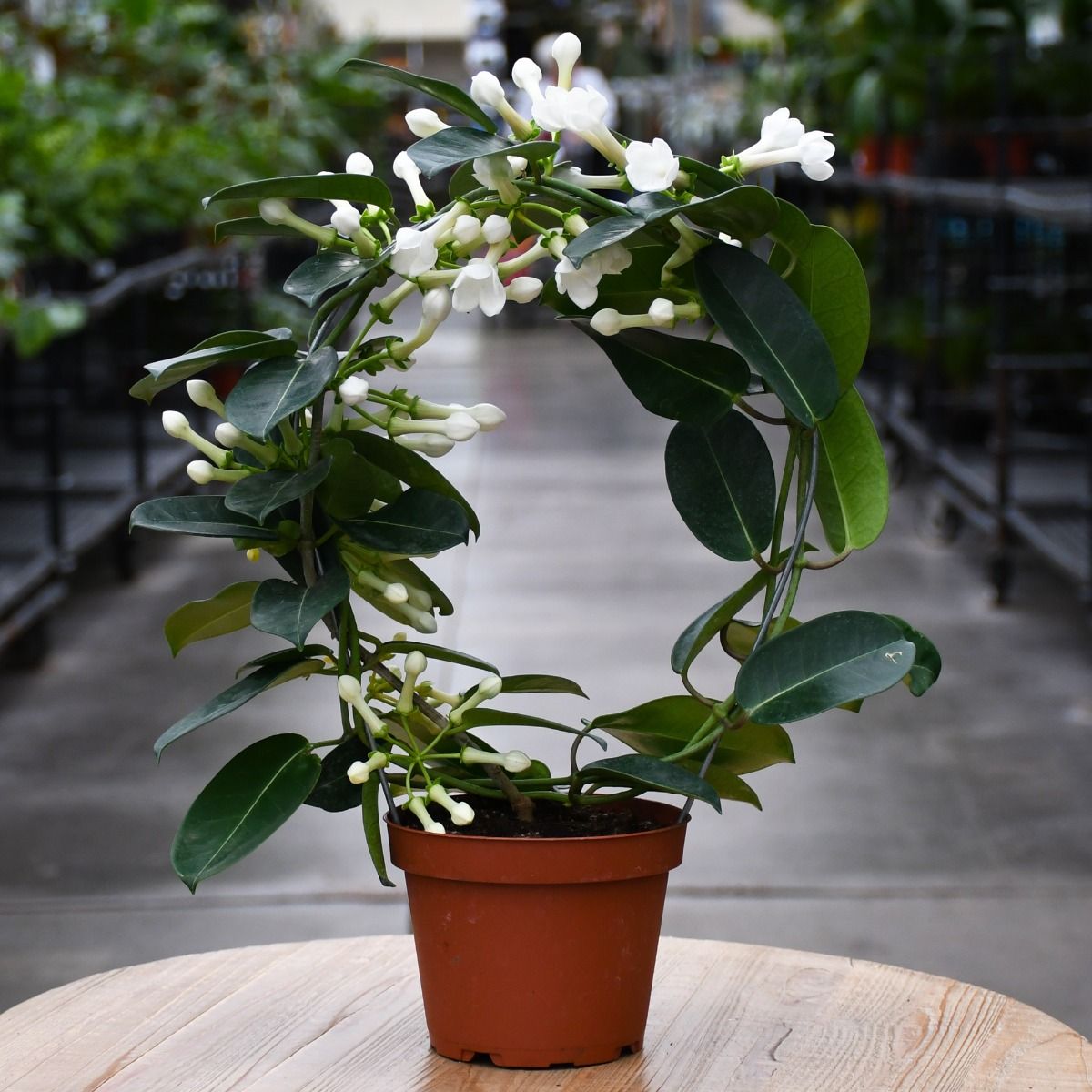
Stephanotis thrives well in large pots, making it perfect for balconies and patios. Use a sturdy pot with drainage holes and provide a trellis or hoop for climbing. Container-grown plants benefit from regular feeding and slightly more frequent watering.
Where to Buy Jasmine Stephanotis in Kenya
For healthy Jasmine Stephanotis plants and elegant planters, visit
Planters.co.ke — your trusted destination for indoor plants Kenya, expert advice, and quality plant care solutions.
Final Thoughts
Jasmine Stephanotis is a timeless, elegant plant that rewards care with breathtaking fragrance and beauty. Whether grown as a climber in your garden or as a potted feature on your balcony, it is a valuable addition to Kenyan homes seeking charm, serenity, and floral elegance.