

Dieffenbachia (Dumb Cane Plant)
Dieffenbachia, commonly known as Dumb Cane, is a popular tropical indoor plant admired for its large, beautifully patterned leaves and easy-care nature. Its lush foliage instantly brightens homes, offices, hotels, and commercial spaces while helping create a healthier indoor environment. Perfect for both beginner and experienced plant lovers in Kenya.
Description
Dieffenbachia
Botanical Name: Dieffenbachia spp.
Common Names: Dumb Cane, Leopard Lily, Dieffenbachia
Native Origin: Tropical regions of Central and South America
Plant Type: Tropical Evergreen Foliage Plant
Growth Habit: Upright, bushy growth
Mature Size: 60 cm – 2 meters depending on variety
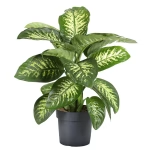
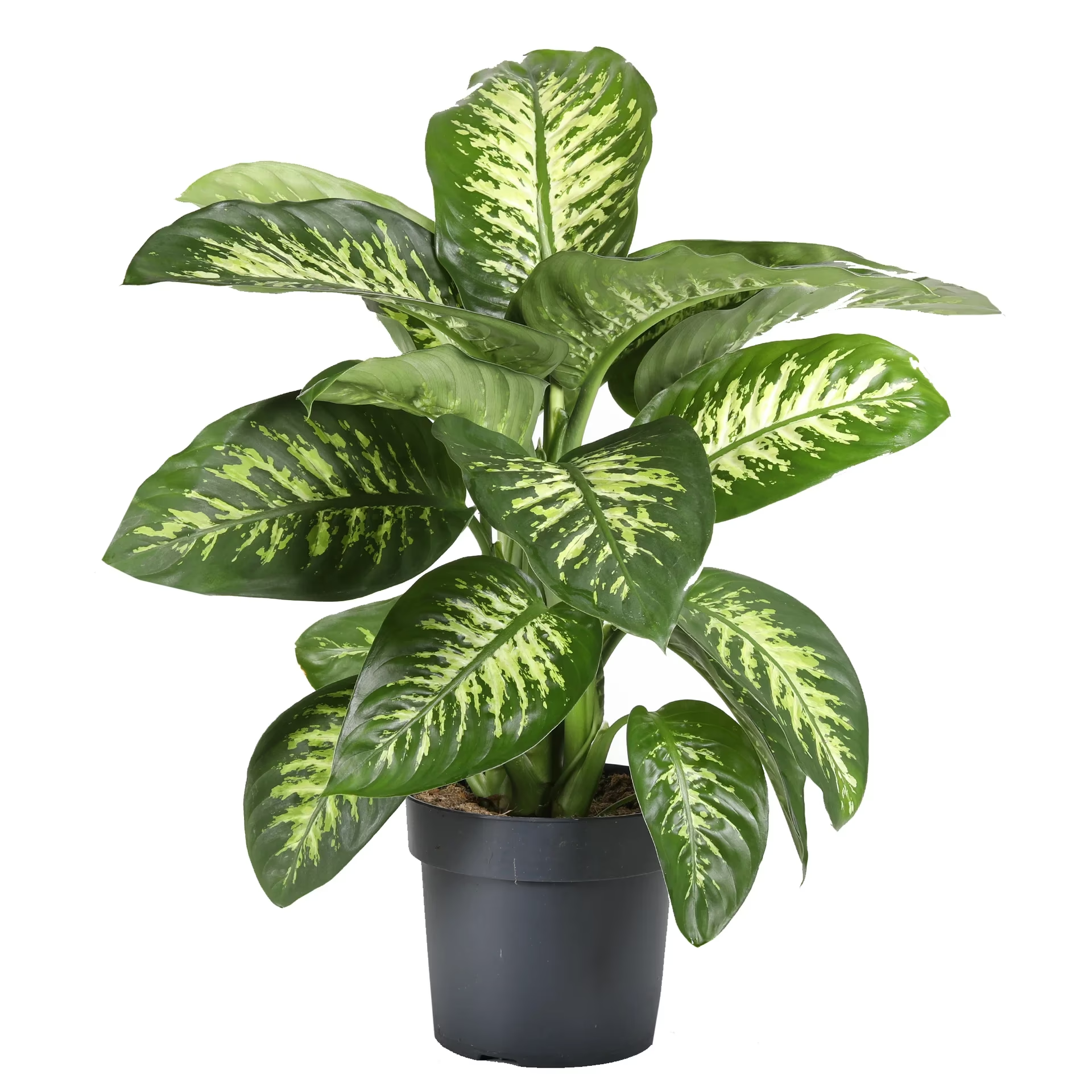
Dieffenbachia is one of the most beloved indoor plants worldwide due to its striking ornamental foliage and adaptability to indoor conditions. Its broad leaves feature attractive combinations of green, cream, yellow, and white variegation, making it a standout addition to any room.
Whether placed in a living room, office, hotel lobby, or reception area, Dieffenbachia adds a sophisticated tropical feel while requiring relatively little maintenance. Its ability to thrive in moderate indoor lighting makes it particularly suitable for homes and offices throughout Kenya.
Key Features & Benefits
- Attractive variegated foliage with unique patterns
- Excellent indoor ornamental plant
- Helps improve indoor air quality
- Thrives in low to medium light conditions
- Easy to maintain and beginner-friendly
- Creates a lush tropical atmosphere
- Suitable for homes, offices, and commercial spaces
- Fast-growing under ideal conditions
- Makes an impressive floor plant as it matures
- Long-lasting and highly adaptable
Why Buy Dieffenbachia?
Dieffenbachia remains one of the most popular indoor plants in Kenya because it combines beauty, versatility, and ease of care.
Its lush foliage makes it ideal for:
- Living rooms
- Bedrooms
- Office workspaces
- Hotel lobbies
- Restaurants
- Reception areas
- Shopping malls
- Apartments
In addition to its decorative appeal, Dieffenbachia contributes to a more calming and inviting environment. The vibrant foliage helps soften interior spaces while adding natural beauty to modern and traditional décor styles.
For Kenyan homeowners and businesses seeking a low-maintenance statement plant, Dieffenbachia is an excellent choice.
Plant Care Guide
Light Requirements
Dieffenbachia thrives in bright indirect light but can tolerate medium-light conditions.
Best locations include:
- Near east-facing windows
- Bright living rooms
- Well-lit offices
- Reception areas
Avoid prolonged direct sunlight, which may scorch the leaves.
Watering Requirements
Water when the top 2–5 cm of soil feels dry.
General watering guidelines:
- Once weekly during warmer months
- Less frequently during cooler periods
Avoid overwatering, as soggy soil can lead to root rot.
Soil Requirements
Use a well-draining potting mix rich in organic matter.
Ideal soil mix:
- Coco peat
- Compost
- Perlite
- Quality potting soil
Good drainage is essential for healthy root development.
Humidity Requirements
Dieffenbachia appreciates moderate to high humidity.
To increase humidity:
- Mist occasionally
- Use a humidity tray
- Group with other plants
Although adaptable, higher humidity promotes healthier foliage.
Temperature Requirements
Ideal temperature range:
18°C – 30°C
Protect from:
- Cold drafts
- Air conditioners
- Temperatures below 15°C
Fertilizer Requirements
Feed monthly during active growth using:
- Balanced liquid fertilizer
- Organic plant food
- Slow-release indoor plant fertilizer
Reduce feeding during slower growth periods.
Growth Rate
Dieffenbachia is considered a moderately fast-growing plant.
Under ideal conditions, it can produce significant new growth throughout the year.
Pruning & Maintenance
Maintenance is simple:
- Remove yellowing leaves
- Wipe leaves regularly to remove dust
- Rotate the plant occasionally for balanced growth
Pruning can also help maintain a fuller appearance.
Indoor or Outdoor Plant?
Indoor Suitability
Excellent indoor plant.
Its tolerance for indirect light makes it one of the best indoor foliage plants available.
Outdoor Suitability
Can be grown outdoors in shaded, protected environments.
Balcony Suitability
Suitable for covered balconies with indirect light.
Office Suitability
One of the most popular office plants due to its attractive foliage and low maintenance requirements.
Best Placement in Kenyan Climates
Ideal for:
- Nairobi homes
- Apartments
- Corporate offices
- Hotel lobbies
- Shopping centers
- Covered patios
Pet Safety
Important: Dieffenbachia is considered toxic if ingested.
Toxic to Cats
Yes.
Toxic to Dogs
Yes.
Toxic to Humans
Can cause irritation and swelling if chewed.
Safety Precautions
- Keep away from pets and small children.
- Wear gloves when pruning if sensitive to plant sap.
- Avoid contact with eyes and mouth.
Despite these precautions, Dieffenbachia remains a highly popular ornamental plant when placed responsibly.
Common Problems, Diseases & Solutions
| Problem | Cause | Solution |
|---|---|---|
| Yellow leaves | Overwatering | Allow soil to dry before watering |
| Brown leaf edges | Low humidity | Increase humidity levels |
| Root rot | Poor drainage | Improve drainage and reduce watering |
| Drooping leaves | Underwatering or stress | Water appropriately and stabilize conditions |
| Mealybugs | Pest infestation | Apply neem oil or insecticidal soap |
| Slow growth | Low light or nutrient deficiency | Move to brighter location and fertilize |
Cultural & Historical Significance
Dieffenbachia has been cultivated as an ornamental plant for centuries due to its striking foliage and adaptability.
The plant was named after Austrian gardener Joseph Dieffenbach, who worked at the imperial gardens in Vienna during the 19th century. Since then, Dieffenbachia has become a staple in homes, offices, hotels, and commercial buildings around the world.
Its bold foliage often symbolizes prosperity, growth, and abundance, making it a popular choice for enhancing interior spaces.
Interior Styling & Landscaping Ideas
Living Rooms
Place in decorative floor planters to create a tropical focal point.
Bedrooms
Use to introduce calming greenery and natural texture.
Offices
Perfect for executive offices, workstations, and meeting rooms.
Reception Areas
Creates a welcoming and professional atmosphere.
Hotels
Adds elegance and greenery to lobbies and guest areas.
Restaurants
Softens interiors and enhances the dining environment.
Balconies
Use in shaded balcony gardens alongside other tropical plants.
Indoor Landscapes
Combine with Monstera, Philodendron, Aglaonema, and Peace Lilies for a lush tropical display.
Buy Dieffenbachia Online in Kenya
Looking for a beautiful, easy-to-maintain indoor plant that adds instant tropical elegance to your space?
Dieffenbachia is an excellent choice for homes, offices, hotels, and commercial interiors. Its stunning foliage, adaptability, and air-purifying qualities make it one of the most rewarding houseplants to own.
Order your healthy Dieffenbachia plant today from www.planters.co.ke and enjoy convenient plant delivery across Nairobi and throughout Kenya.
6. Frequently Asked Questions (FAQs)
Is Dieffenbachia easy to care for?
Yes. It is considered one of the easiest tropical indoor plants to maintain.
Can Dieffenbachia grow indoors?
Absolutely. It thrives indoors with bright indirect light.
How often should I water Dieffenbachia?
Water when the top layer of soil becomes dry, usually once a week.
Does Dieffenbachia purify air?
Yes. Like many tropical foliage plants, it can help improve indoor air quality.
Is Dieffenbachia toxic to pets?
Yes. It is toxic to cats and dogs if ingested.
Can Dieffenbachia tolerate low light?
Yes, but growth may slow and leaf variegation may become less pronounced.
Why are my Dieffenbachia leaves turning yellow?
Overwatering is the most common cause.
How big does Dieffenbachia grow?
Depending on the variety, it can grow from 60 cm to over 2 meters tall indoors.
Related products


Ruscus Plant (Italian Ruscus)