
Fiddle Fig Tree : Care, Benefits & Indoor Growing Guide
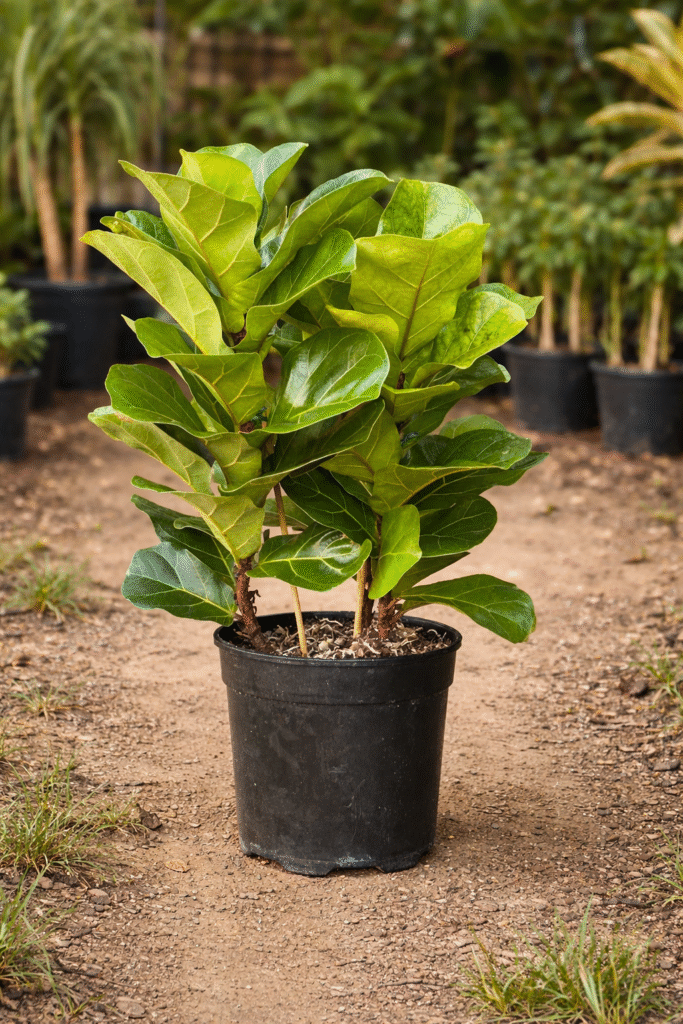
The Fiddle Fig Tree, commonly known as the Fiddle Leaf Fig (Ficus lyrata), is one of the most iconic indoor plants in Kenya’s modern homes and offices. Loved for its large, violin-shaped leaves and bold architectural presence, it instantly elevates interior spaces. With the right care, this statement plant thrives in Kenyan indoor conditions, making it a favorite among interior designers and plant lovers seeking elegant indoor plants Kenya homes admire.
Why Grow This Plant?
- Creates a striking focal point with its large, glossy leaves.
- Improves indoor air quality and overall ambiance.
- Perfect for modern, minimalist, and luxury interiors.
- Long-lived tree that grows taller over time.
- Adds value and sophistication to homes and office spaces.
Cultural & Historical Significance
The Fiddle Leaf Fig originates from the tropical rainforests of West Africa, where it grows under forest canopies with filtered light. Globally, ficus trees symbolize abundance, stability, and growth. In many cultures, large-leafed trees are associated with protection and prosperity. In recent decades, the Fiddle Fig has become an international design icon, representing refined taste, calm living, and connection to nature.
Ideal Growing Conditions in Kenya
- Sunlight: Bright, indirect light; a few hours of gentle morning sun is ideal.
- Temperature: 18–30°C; suitable for Nairobi, Kiambu, Nakuru, Eldoret, and coastal indoor spaces.
- Soil: Well-draining, nutrient-rich potting mix with added perlite.
- Watering: Water when the top 5 cm of soil feels dry.
- Humidity: Moderate humidity supports healthy, glossy leaves.
How to Plant It
- Select a sturdy pot with drainage holes.
- Add a layer of well-draining potting mix to the base.
- Carefully remove the plant from its nursery pot.
- Position it upright and fill around the roots with soil.
- Water thoroughly and place in bright, indirect light.
Care Tips
- Keep watering consistent; avoid both overwatering and letting soil dry out completely.
- Wipe leaves regularly to remove dust and enhance photosynthesis.
- Rotate the plant every few weeks for even growth.
- Feed monthly with a balanced liquid fertilizer during the growing season.
- Avoid frequent moving, as Fiddle Figs prefer stable conditions.
Pests & Diseases
- Spider mites: Fine webs and leaf speckling; treat with neem oil.
- Mealybugs: White cottony spots; remove manually and apply insecticidal soap.
- Root rot: Caused by overwatering; ensure proper drainage.
- Leaf drop: Often due to sudden changes in light, temperature, or watering.
Pet Safety
The Fiddle Fig Tree is toxic to cats and dogs if ingested and may cause mouth irritation or stomach upset. Keep it out of reach of pets and small children.
Growing in Containers
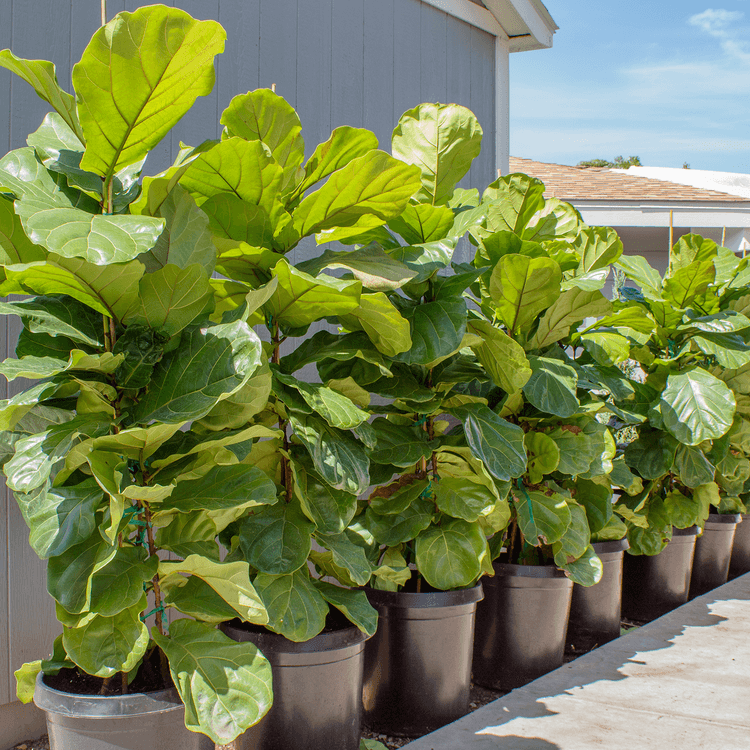
Fiddle Fig Trees thrive in large, stable containers placed in living rooms, entryways, and office corners with good natural light. Choose a heavy pot to support the plant’s height and prevent tipping. Ensure excellent drainage, as container-grown Fiddle Figs are sensitive to excess moisture. Repot every 1–2 years as the tree grows.
Where to Buy Fiddle Fig Tree in Kenya
Buy healthy Fiddle Fig Trees and premium planters from
Planters.co.ke — Kenya’s trusted source for indoor plants, large statement trees, and expert plant care solutions.
Final Thoughts
The Fiddle Fig Tree is a timeless indoor plant that brings elegance, structure, and natural beauty into Kenyan homes and offices. While it requires consistent care, the reward is a dramatic, long-lasting statement plant that transforms any space. If you’re looking to invest in a bold and stylish indoor tree, the Fiddle Leaf Fig is an excellent choice.