


Azaleas: Bring a Burst of Elegant Colour to Your Garden and Home
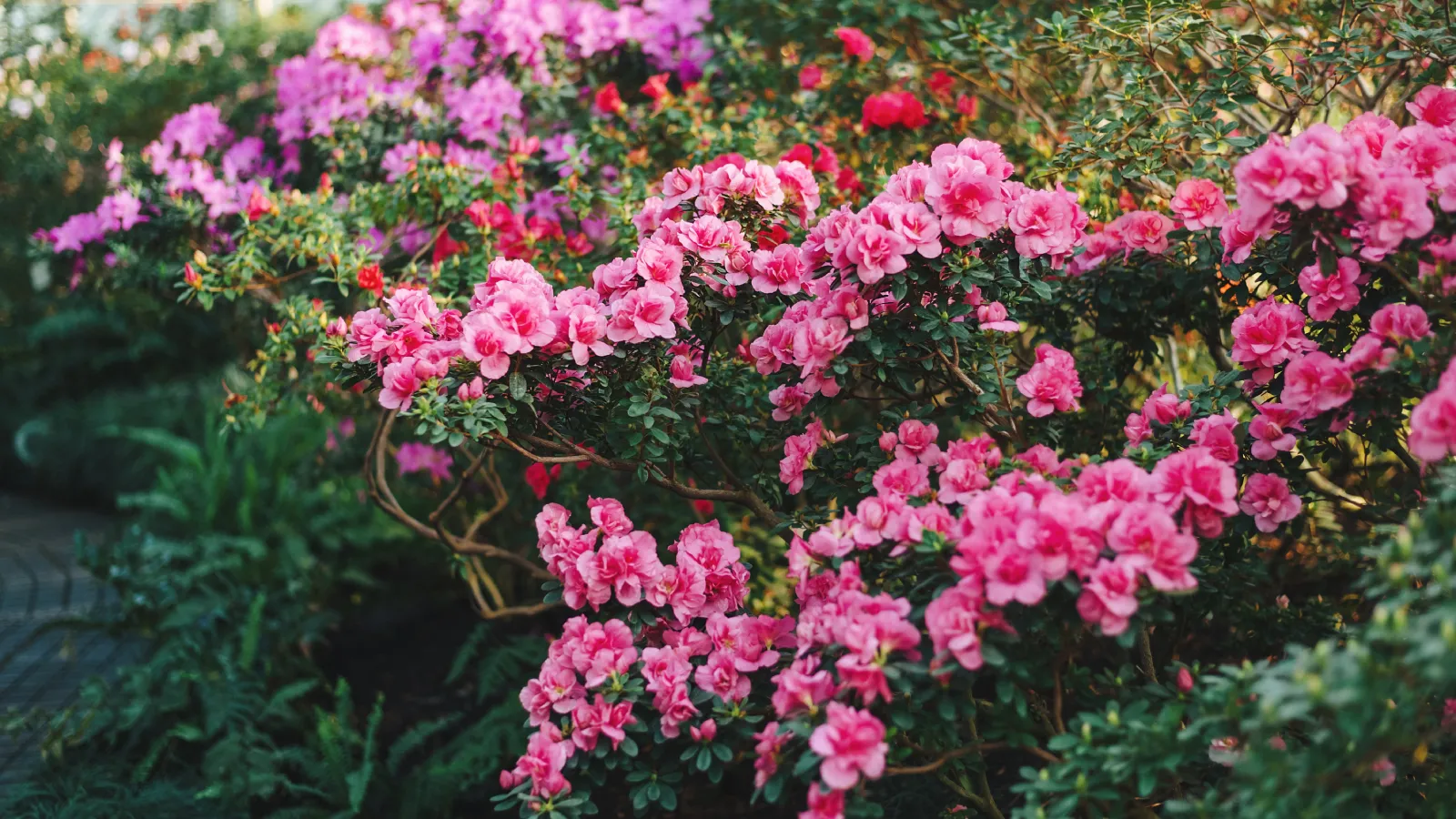
With their vibrant blooms and lush foliage, azaleas are among the most attractive flowering shrubs for adding colour and character to a garden. Their flowers come in beautiful shades of pink, red, white, purple and orange, making them a favourite for ornamental landscaping and decorative container displays. In Kenya, azaleas can be grown successfully with the right conditions, particularly in cooler highland areas where temperatures are more suitable. Whether you want to brighten a garden, frame an entrance or create a colourful patio display, azaleas offer an elegant touch.
Why Grow Azaleas?
- Beautiful seasonal blooms: Azaleas produce clusters of colourful flowers that can transform a garden during their flowering season.
- Variety of colours: They are available in several shades, allowing you to complement different garden designs and colour schemes.
- Excellent landscaping plants: Their compact growth makes them suitable for borders, garden beds and foundation planting.
- Container-friendly: Smaller varieties grow well in pots, making them suitable for patios, verandas and balconies.
- Attractive foliage: Even when not flowering, their dense green leaves provide structure and visual interest.
Cultural & Historical Significance
Azaleas belong to the genus Rhododendron and have a long history of cultivation, particularly in China, Japan and other parts of East Asia. They feature prominently in traditional gardens, art and seasonal celebrations, where their flowers are admired for their beauty and symbolism. In Japan, azaleas are associated with spring and are often cultivated in ornamental landscapes. Today, they are popular worldwide as decorative shrubs, valued for their impressive flowers and ability to create colourful garden displays.
Ideal Growing Conditions in Kenya
Azaleas generally prefer cool, partially shaded environments and acidic, well-draining soil. Their growing requirements are especially important in Kenya, where conditions vary considerably between regions.
- Sunlight: Provide bright, filtered light or partial shade. Morning sunlight is beneficial, while protection from intense afternoon sun helps prevent leaf scorch.
- Temperature: Azaleas generally perform best in mild to cool conditions. Cooler highland areas such as Limuru, parts of Kiambu and the higher elevations around Nairobi can be more suitable than hot, lowland regions.
- Soil: Use acidic soil with a pH of approximately 4.5–6.0. The soil should be rich in organic matter, loose and well-draining.
- Watering: Keep the soil consistently moist but never waterlogged. Azaleas have relatively shallow roots and are sensitive to drying out.
- Suitable regions: Cooler highland gardens are generally preferable. In warmer areas, grow azaleas in containers where you can control their light exposure and growing conditions.
How to Plant Azaleas
- Choose the right location: Select a spot with partial shade, good airflow and protection from harsh afternoon sunlight.
- Prepare the soil: Improve the planting area with acidic organic matter, such as suitable compost or pine bark. Avoid alkaline soil and excessive lime.
- Prepare the planting hole: Dig a hole wider than the root ball but no deeper than its original growing level. Azaleas have shallow root systems and should not be planted too deeply.
- Position the plant: Carefully remove the plant from its nursery container, loosen any tightly circling roots and place it in the hole with the top of the root ball level with or slightly above the surrounding soil.
- Water and mulch: Water thoroughly after planting and apply a light layer of organic mulch around the root zone, keeping it away from the main stem.
Azalea Care Tips
- Watering: Check the soil regularly and water when the upper layer begins to feel dry. Do not allow the root zone to dry out completely.
- Fertilizing: Use a fertilizer formulated for acid-loving plants. Apply according to the product instructions, preferably during active growth, and avoid excessive feeding.
- Pruning: Lightly prune after flowering to maintain the desired shape and remove dead or damaged branches. Avoid heavy pruning late in the season because it may remove developing flower buds.
- Mulching: Use pine bark, leaf mould or another suitable organic mulch to help retain moisture and maintain soil conditions.
- Repotting: For container-grown azaleas, repot when roots begin filling the container. Use an acidic, free-draining potting mix and a pot with drainage holes.
- Flowering: Provide suitable light, consistent moisture and acidic soil to encourage healthy growth and flowering. Avoid excessive nitrogen, which can encourage leaves at the expense of blooms.
Pests & Diseases
Azaleas can experience pest and disease problems, particularly when grown in unsuitable conditions or with poor airflow.
- Azalea lace bugs: These insects feed on the undersides of leaves, causing pale or speckled patches. Inspect the foliage regularly and use an appropriate insecticidal soap or horticultural treatment when necessary.
- Aphids: Small insects may gather around tender shoots and flower buds. Remove minor infestations with a gentle stream of water or use insecticidal soap as directed.
- Spider mites: Fine webbing and stippled leaves can indicate spider mites, especially in hot, dry conditions. Improve growing conditions and use an appropriate treatment if the infestation persists.
- Root rot: Yellowing leaves, wilting and declining growth may indicate root problems caused by waterlogged soil. Improve drainage and avoid overwatering.
- Leaf spots: Fungal leaf diseases may cause brown or dark patches. Remove affected foliage, avoid wetting leaves unnecessarily and improve airflow around the plant.
Pet Safety
Azaleas are toxic to cats and dogs. All parts of the plant contain grayanotoxins, which can cause drooling, vomiting, diarrhoea, weakness and potentially serious heart and nervous system effects if ingested. Keep azaleas away from pets and seek veterinary advice immediately if you suspect your pet has eaten any part of the plant.
Growing Azaleas in Containers
Azaleas are excellent container plants, particularly in homes where garden soil or outdoor conditions may not be suitable. Choose a pot with adequate drainage holes and use a potting mix specifically formulated for acid-loving plants. Avoid ordinary garden soil if it is alkaline or poorly draining.
Place the container in a location with bright filtered light and protection from intense afternoon sun. Monitor moisture carefully because pots can dry out faster than garden beds. A decorative ceramic or lightweight planter can complement the flowers while making it easier to move the plant when conditions change. Container growing is especially useful in Nairobi and other areas where you may need to adjust the plant’s exposure to sunlight and heat.
Where to Buy Azaleas in Kenya
If you are looking to add azaleas to your garden or outdoor space, explore Planters.co.ke for a curated selection of plants and stylish pots. Choose healthy plants suited to your growing environment, and consider your available sunlight, soil conditions and watering routine before purchasing. With the right care, azaleas can become a beautiful feature in your garden or patio.
Final Thoughts
Azaleas bring remarkable colour, elegance and seasonal beauty to gardens and outdoor spaces. Although they require particular attention to soil acidity, moisture and sunlight, they can reward you with spectacular blooms when grown in suitable conditions. For Kenyan gardeners, cooler highland environments and carefully managed containers offer promising ways to enjoy these flowering shrubs. Give your azalea the right growing conditions, and it can become one of the most eye-catching plants in your collection.