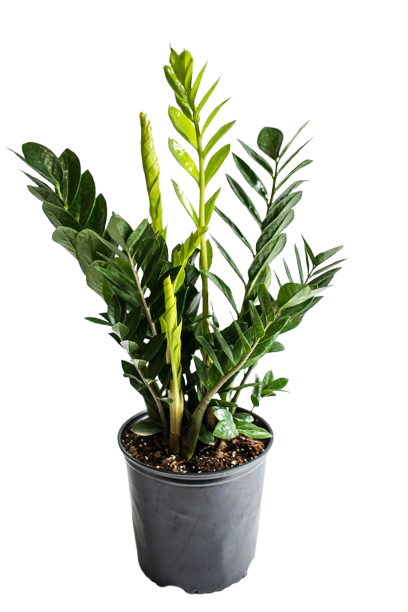
Choosing the right pot for your plant goes beyond aesthetics. A well-chosen pot supports healthy roots, prevents overwatering, and helps your plant thrive indoors or outdoors. Here’s how to get it right every time.
1. Drainage Is Non-Negotiable
Always choose pots with drainage holes. Plants hate soggy roots. If you fall in love with a pot that doesn’t have holes, use it as a decorative cover pot and place your plant in a smaller, draining nursery pot inside.
2. Size Matters
Pick a pot that’s 1–2 inches wider than the current root ball. Too small, and the plant gets rootbound. Too big, and you risk overwatering. Upgrade only when the roots start circling the inside of the pot.
3. Material Makes a Difference
Terracotta: Breathable, ideal for plants that dislike sitting in moisture (e.g., succulents, herbs).
Plastic: Lightweight and retains water longer—great for forgetful waterers.
Ceramic: Stylish and heavy, perfect for stable placement indoors.
4. Match Style with Space
Pick a pot that suits your space. Natural textures for earthy interiors, bold ceramics for minimal designs. Neutral tones keep the focus on the foliage.
5. Don’t Forget the Saucer
Protect your shelves and floors. A good saucer catches excess water and prevents damage, especially with indoor plants.