


Lucky Bamboo: Meaning, Care Tips & Styling Ideas for Your Space
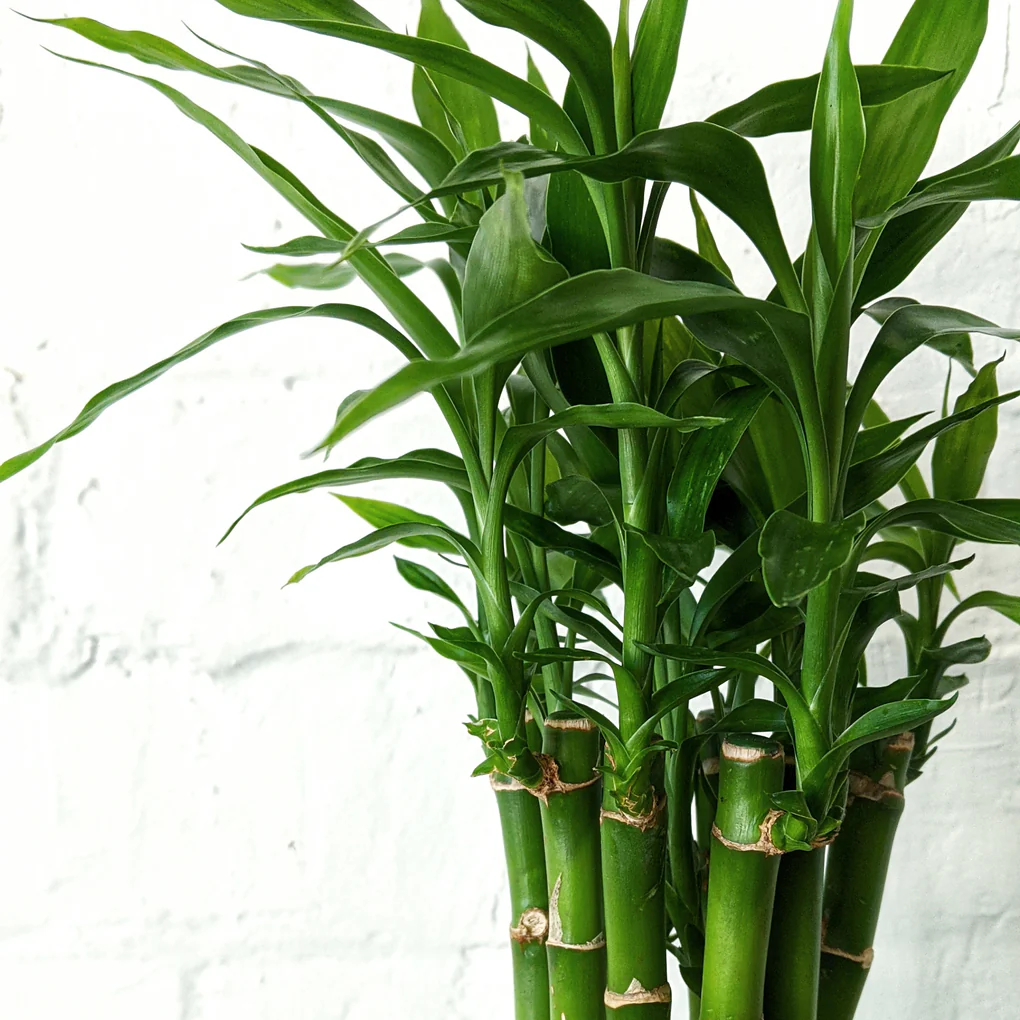
Lucky Bamboo (Dracaena sanderiana) is one of the most symbolic and easy-to-care-for indoor plants, loved for its elegant green stalks and calming presence. Despite its name, it is not a true bamboo but is prized for its association with luck, prosperity, and positive energy. Popular in homes, offices, and gift arrangements, Lucky Bamboo fits effortlessly into modern and minimalist spaces while requiring very little maintenance.
Why Grow Lucky Bamboo?
- Symbolizes luck, prosperity, and positive energy.
- Extremely low-maintenance and beginner-friendly.
- Thrives in water or soil, offering flexible styling.
- Perfect for desks, shelves, and small spaces.
- Enhances calmness and balance in interiors.
Cultural & Historical Significance
Lucky Bamboo holds deep roots in Asian culture, particularly in Feng Shui, where it is believed to attract good fortune and harmony. The number of stalks carries meaning—two for love, three for happiness, five for health, and eight for wealth. Across cultures, it has become a universal symbol of resilience and growth, often gifted during new beginnings such as housewarmings, promotions, or business openings.

Ideal Growing Conditions
- Sunlight: Bright, indirect light; avoid direct sunlight.
- Temperature: 18–30°C; prefers stable indoor conditions.
- Water: Clean, chlorine-free water or lightly moist soil.
- Humidity: Normal indoor humidity is sufficient.
- Placement: Ideal for desks, living rooms, offices, and entryways.
How to Plant Lucky Bamboo
- Choose whether to grow in water or soil.
- For water: place stalks in a glass container with pebbles for support.
- Ensure roots are submerged while stalks remain above water.
- For soil: use a well-draining potting mix.
- Position the plant in bright, indirect light.
Care Tips
- Change water every 7–10 days to prevent algae buildup.
- Use filtered or distilled water to avoid leaf browning.
- Trim yellow leaves promptly to maintain plant health.
- Rotate occasionally for even growth.
- Fertilize lightly every 2–3 months if grown in soil.
Pests & Diseases
- Spider mites: Rare indoors; wipe leaves with damp cloth.
- Leaf yellowing: Often caused by poor water quality.
- Root rot: Due to stagnant water; change water regularly.
- Fungal issues: Avoid overcrowding stalks.
Pet Safety
Lucky Bamboo is toxic to cats and dogs if ingested, potentially causing vomiting or drooling. Keep it out of reach of pets.
Growing in Containers
Lucky Bamboo thrives in glass vases, ceramic pots, or decorative planters. When grown in containers, ensure stability with stones or pebbles and maintain clean water levels. Its compact size makes it ideal for workspaces, bedside tables, and reception areas.
Where to Buy Lucky Bamboo
Find healthy Lucky Bamboo plants and elegant planters at
Planters.co.ke — your trusted destination for indoor plants, stylish containers, and expert plant care guidance.
Final Thoughts
Lucky Bamboo is more than just a decorative plant—it’s a symbol of balance, resilience, and positivity. With minimal care and endless styling possibilities, it makes a meaningful addition to any space or a thoughtful gift for loved ones. Whether for energy, beauty, or simplicity, Lucky Bamboo is always a lucky choice.