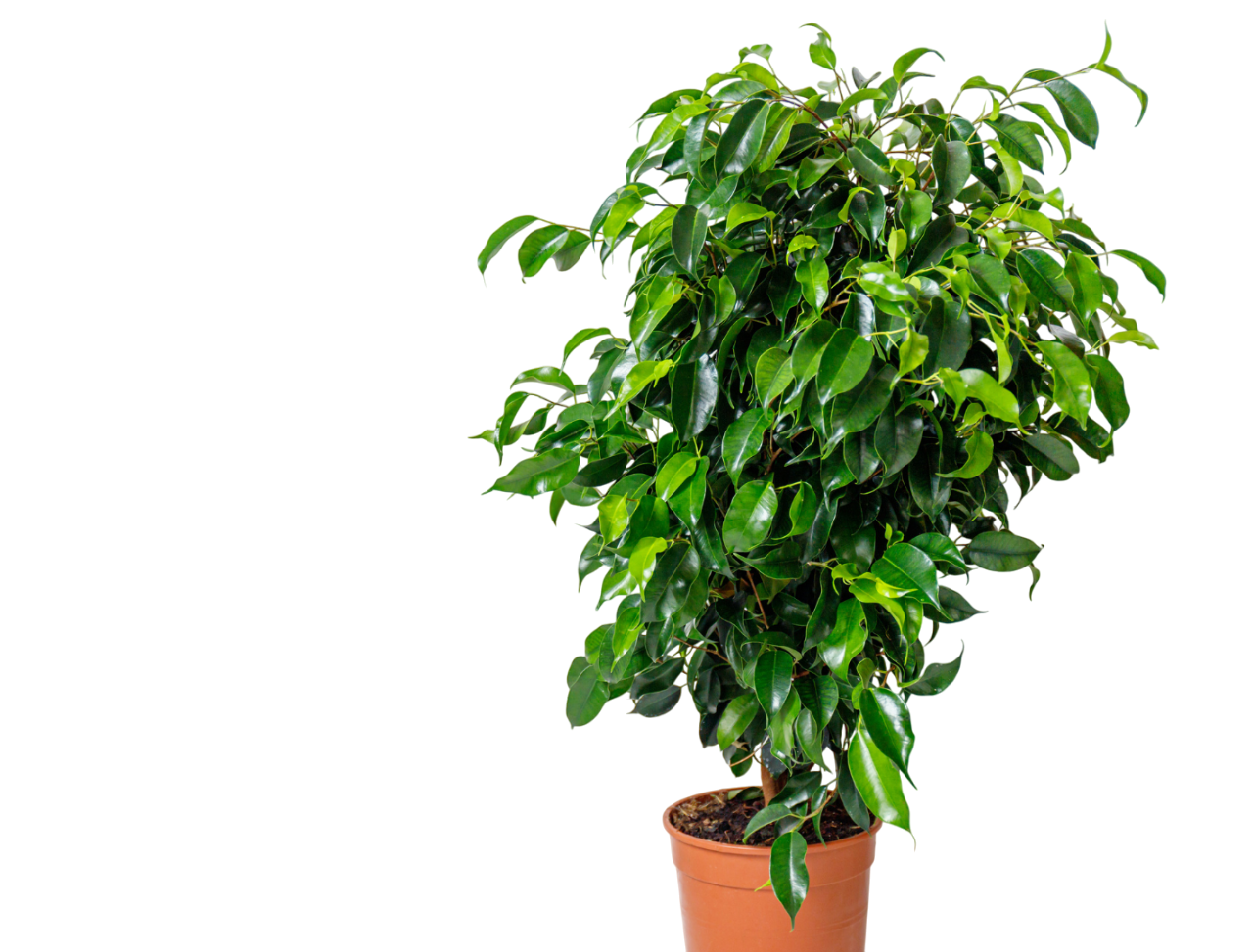
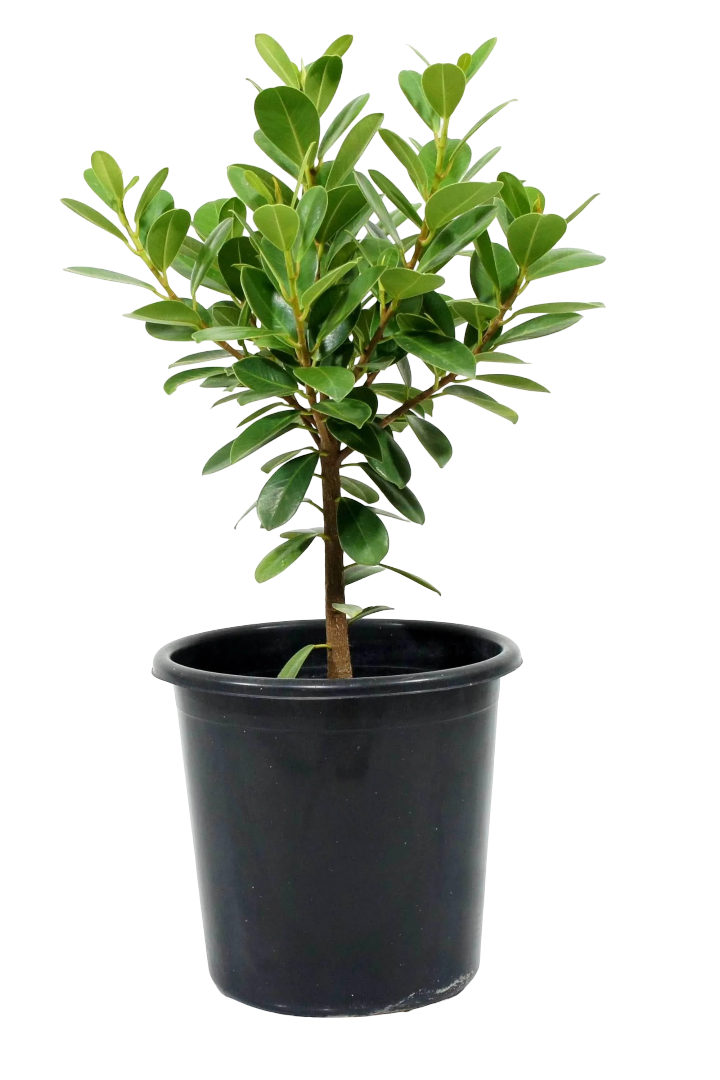
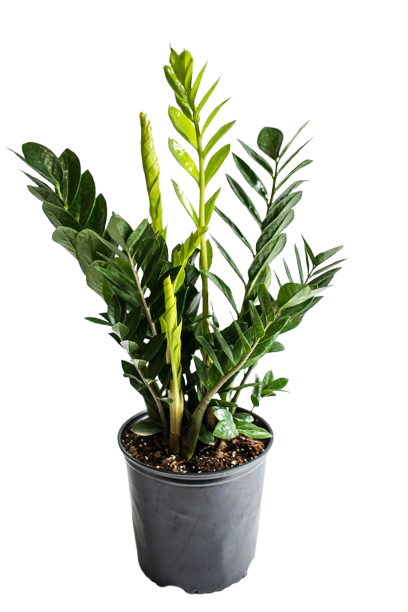

Topiary Ball Plant
A Topiary Ball Plant is a professionally shaped ornamental plant pruned into a perfect spherical form to create elegance and structure in gardens and landscapes. Ideal for entrances, patios, balconies, hotels, offices, and outdoor spaces, these premium topiary plants instantly elevate the appearance of any property.
Recently Viewed

String of Hooks (Crassula muscosa)
KSh3,590.00
Description
Topiary Ball Plant
Botanical Name: Varies by species (commonly Duranta, Eugenia, Buxus, Murraya, Ficus, or Juniper varieties)
Common Names: Topiary Ball, Ball Topiary, Ornamental Topiary Plant
Native Origin: Depends on species used
Plant Type: Shaped Ornamental Shrub or Small Tree
Growth Habit: Compact, dense, spherical growth through regular pruning
Mature Size: Typically 40 cm – 2 meters depending on variety and maintenance
A Topiary Ball Plant is not a specific plant species but a horticultural art form where carefully selected shrubs are pruned into a perfectly rounded ball shape. This timeless landscaping feature has been used in formal gardens, luxury hotels, royal estates, and modern architectural landscapes for centuries.
Topiary Ball Plants provide year-round structure, elegance, and visual balance, making them one of the most sought-after ornamental plants for residential and commercial landscaping projects in Kenya.
Whether displayed individually in decorative pots or arranged symmetrically along pathways and entrances, Topiary Ball Plants create a refined and professional appearance.
Key Features & Benefits
- Elegant sculpted ball shape
- Enhances curb appeal instantly
- Creates formal garden structure
- Ideal for luxury landscaping
- Suitable for containers and garden beds
- Low-maintenance once established
- Long-lasting ornamental value
- Works well in modern and classic landscapes
- Provides year-round greenery
- Excellent focal point plant
Why Buy a Topiary Ball Plant?
Topiary Ball Plants are highly valued because they offer immediate visual impact and sophistication.
Perfect for:
- Home entrances
- Hotel landscapes
- Corporate offices
- Restaurants
- Shopping malls
- Balconies
- Courtyards
- Rooftop gardens
- Patios
- Formal gardens
Their geometric shape creates order and symmetry, helping transform ordinary spaces into professionally landscaped environments.
For Kenyan homeowners and businesses seeking a premium landscaping solution, Topiary Ball Plants are among the most effective and versatile choices available.
Plant Care Guide
Light Requirements
Most Topiary Ball Plants perform best in:
- Full sun
- Partial sun
- Bright outdoor conditions
Specific light requirements depend on the plant species used.
Watering Requirements
Water regularly during establishment.
Once established:
- Water deeply when soil begins drying
- Avoid prolonged waterlogging
- Adjust watering according to weather conditions
Container-grown specimens may require more frequent watering.
Soil Requirements
Use fertile, well-draining soil.
Ideal conditions include:
- Rich garden soil
- Compost-enriched planting mixes
- Good drainage systems
Healthy soil supports dense foliage and shape retention.
Humidity Requirements
Adaptable to typical outdoor humidity levels throughout Kenya.
Temperature Requirements
Most topiary species thrive between:
15°C – 35°C
Suitable for many regions across Kenya.
Fertilizer Requirements
Apply:
- Organic compost
- Balanced fertilizer
- Slow-release ornamental plant feed
Feed every 6–8 weeks during active growth.
Growth Rate
Growth varies depending on species.
Most topiary plants exhibit moderate growth rates and respond well to regular pruning.
Pruning & Maintenance
Pruning is essential to maintain the perfect spherical shape.
Recommended:
- Light trimming every 4–8 weeks
- Remove stray shoots
- Shape regularly for a neat appearance
Routine maintenance keeps the plant dense and attractive.
Indoor or Outdoor Plant?
Indoor Suitability
Smaller topiary specimens may be used temporarily indoors in bright locations.
Outdoor Suitability
Excellent outdoor ornamental plant.
Balcony Suitability
Ideal for balconies with sufficient sunlight.
Office Suitability
Popular for office entrances and outdoor corporate landscapes.
Best Placement in Kenyan Climates
Suitable for:
- Nairobi gardens
- Hotel entrances
- Office compounds
- Patio displays
- Courtyards
- Driveways
- Walkways
- Rooftop gardens
Pet Safety
Pet safety depends on the plant species used to create the topiary.
Recommendations
- Verify the specific species before purchase.
- Place plants where pets cannot excessively chew foliage.
- Consult with your supplier regarding pet safety for the specific variety.
Common Problems, Diseases & Solutions
| Problem | Cause | Solution |
|---|---|---|
| Uneven shape | Irregular pruning | Trim consistently |
| Yellow leaves | Overwatering | Improve drainage |
| Sparse growth | Nutrient deficiency | Apply fertilizer |
| Pest infestation | Aphids or scale insects | Use neem oil |
| Browning foliage | Water stress | Maintain consistent watering |
| Slow growth | Poor soil or low sunlight | Improve growing conditions |
Cultural & Historical Significance
Topiary gardening dates back to ancient Roman times and became especially popular in European palace gardens during the Renaissance.
Throughout history, topiary has symbolized:
- Prestige
- Elegance
- Wealth
- Artistic craftsmanship
- Garden excellence
Today, Topiary Ball Plants remain a hallmark of luxury landscaping and are widely used in high-end residential and commercial developments.
Interior Styling & Landscaping Ideas
Entrance Features
Place pairs of Topiary Ball Plants at entrances for a grand welcome.
Walkways
Line pathways to create symmetry and structure.
Courtyards
Use as focal points in decorative planters.
Hotel Landscapes
Enhance luxury appeal around entrances and outdoor lounges.
Restaurants
Add sophistication to outdoor dining areas.
Balconies
Use compact topiary balls in decorative containers.
Rooftop Gardens
Create formal structure in urban outdoor spaces.
Corporate Offices
Perfect for professional landscaping and reception areas.
Buy Topiary Ball Plants Online in Kenya
Looking for an elegant landscaping feature that instantly enhances the appearance of your home, office, hotel, or garden?
Topiary Ball Plants provide timeless beauty, year-round greenery, and professional landscape appeal. Their sculpted shape creates structure and sophistication in virtually any outdoor setting.
Order your premium Topiary Ball Plant today from www.planters.co.ke and enjoy convenient plant delivery across Nairobi and throughout Kenya.
6. Frequently Asked Questions (FAQs)
What is a Topiary Ball Plant?
It is an ornamental shrub or small tree professionally pruned into a spherical shape.
Can Topiary Ball Plants grow in pots?
Yes. They perform exceptionally well in decorative containers.
How often should I prune a Topiary Ball Plant?
Every 4–8 weeks to maintain its shape.
Are Topiary Ball Plants suitable for Kenyan climates?
Yes. Most commonly used species thrive throughout Kenya.
Can I keep a Topiary Ball Plant indoors?
Short-term indoor placement is possible in bright locations, but outdoor growing is generally recommended.
How large do Topiary Ball Plants grow?
Sizes range from approximately 40 cm to over 2 meters depending on species and maintenance.
Do Topiary Ball Plants require a lot of maintenance?
Moderate maintenance is required, mainly through regular shaping and pruning.
Why are Topiary Ball Plants popular in landscaping?
They provide structure, symmetry, elegance, and year-round ornamental value.
Related products
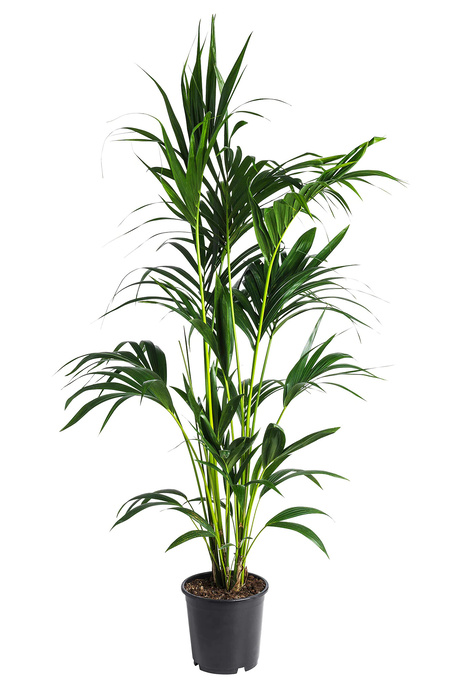
Howea forsteriana
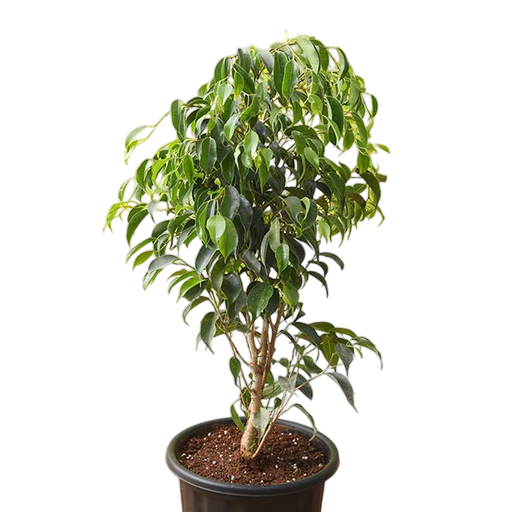
Weeping Fig Tree
Howea forsteriana
Dieffenbachia (Dumb Cane Plant)