


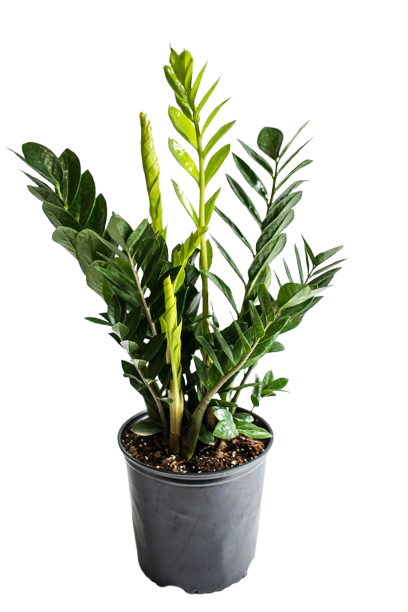
Scarlet Sage plant: Growing, Care & Garden Benefits
Scarlet Sage (Salvia splendens) is one of the most striking flowering plants you can grow in Kenya, known for its bold red spikes and long blooming season. It thrives in Kenya’s warm climate and is perfect for gardens, balconies, borders, and decorative planters. Loved for its low-maintenance nature and ability to attract pollinators, Scarlet Sage is an excellent choice for beginners and seasoned gardeners.

Why Grow This Plant?
- Produces bright, eye-catching red flowers that bloom for months.
- Attracts butterflies, bees, and hummingbirds, boosting pollination.
- Low-maintenance and thrives in hot Kenyan conditions.
- Perfect for borders, patios, walkways, and mixed flower beds.
- Drought-tolerant once established, making it ideal for water-conscious gardeners.
Cultural & Historical Significance
Scarlet Sage is native to Brazil but has become a favorite ornamental plant worldwide. In Europe and the Americas, it symbolizes vitality and protection due to its fiery color. In many African gardens, it’s used decoratively to bring bold contrast and vibrancy. Historically, sages in general are associated with healing, wisdom, and purification, making this plant symbolically rich across cultures.

Ideal Growing Conditions in Kenya
- Sunlight: Full sun to partial shade (at least 4–6 hours of direct sunlight).
- Temperature: Thrives in 18°C–28°C; perfect for most Kenyan regions.
- Soil: Well-draining, fertile soil enriched with compost.
- Watering: Moderate; keep soil moist but never waterlogged.
- Best Regions: Nairobi, Kiambu, Nakuru, Machakos, Eldoret, and coastal areas with partial shade.
How to Plant It
- Choose a sunny spot or a bright planter location.
- Prepare well-draining soil enriched with compost or potting mix.
- Remove the plant gently from its nursery bag or pot.
- Place it in a hole twice as wide as the root ball and cover the roots with soil.
- Water thoroughly and mulch lightly to retain moisture.
Care Tips
- Water 2–3 times weekly, allowing topsoil to dry slightly between watering.
- Feed monthly with an all-purpose liquid fertilizer for stronger blooms.
- Pinch off spent flowers to encourage continuous flowering.
- Prune lightly to maintain shape and encourage fuller growth.
- Mulch to retain soil moisture during hot seasons.
Pests & Diseases
- Aphids: Leaves may curl or become sticky; treat with neem oil spray.
- Whiteflies: Tiny white insects that fly when disturbed; use insecticidal soap.
- Powdery Mildew: White coating on leaves; improve air circulation and avoid overhead watering.
- Root Rot: Caused by overwatering; ensure soil drainage.
Pet Safety
Scarlet Sage is generally considered non-toxic to cats and dogs, but pets should not chew it excessively to avoid mild stomach irritation.
Growing in Containers
Scarlet Sage grows beautifully in containers on balconies, verandas, and patios. Use a 15–25 cm pot with drainage holes and high-quality potting mix. Water consistently, feed monthly, and place the pot where it receives plenty of sunlight.
Where to Buy This Plant in Kenya
You can buy healthy Scarlet Sage plants and stylish pots at Planters.co.ke, Kenya’s trusted online plant store.
Final Thoughts
Scarlet Sage is a vibrant, easy-growing ornamental plant that brings continuous color and energy to any Kenyan garden or home. With minimal care, this plant rewards you with months of striking blooms—making it an excellent addition to both beginner and expert plant collections.