


Rubber Plant: Care, Benefits & Indoor Growing Guide
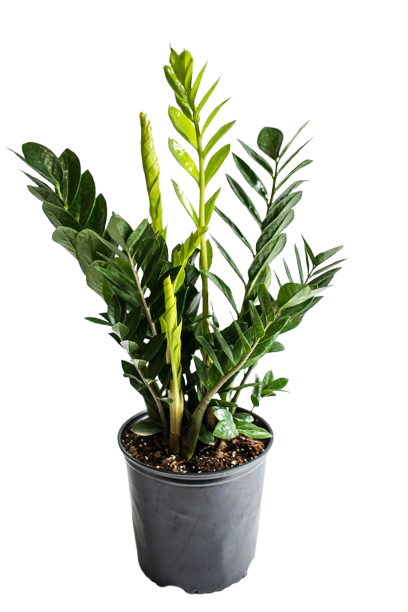
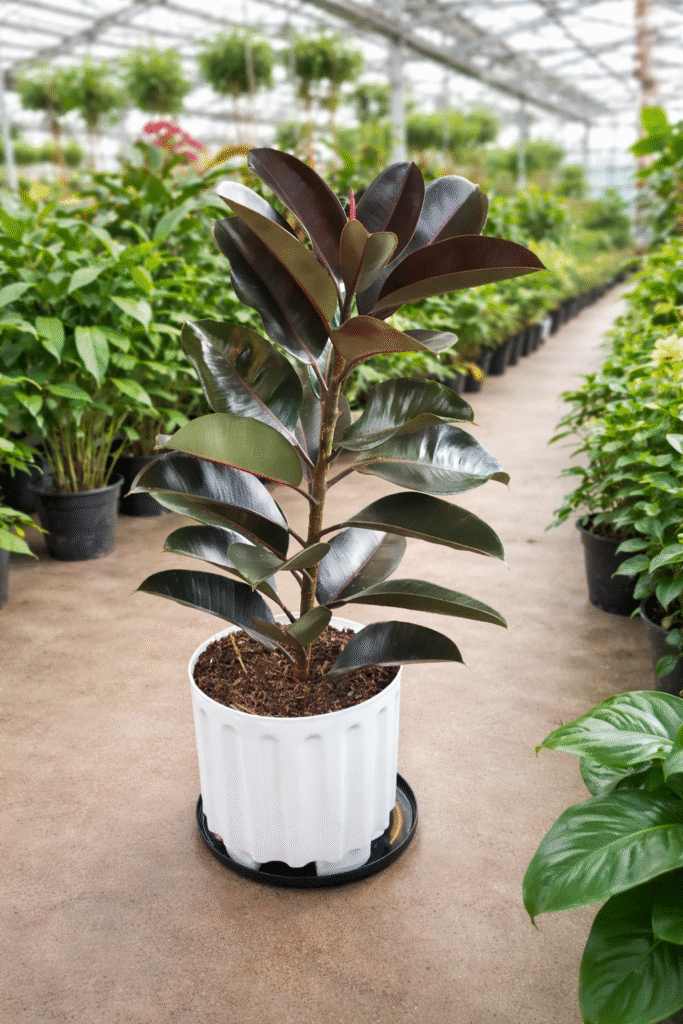
The Rubber Plant (Ficus elastica) is a popular indoor and outdoor plant in Kenya, known for its glossy, deep green leaves and easy-care nature. Its striking foliage makes it a favorite for homes, offices, and commercial spaces, adding a touch of elegance to any environment. Rubber plants are hardy, adaptable, and perfect for those seeking low-maintenance indoor plants Kenya households love.
Why Grow Rubber Plant?
- Beautiful, glossy foliage adds sophistication to any space.
- Excellent air-purifying plant for indoor environments.
- Low-maintenance and tolerant of varying light conditions.
- Can grow tall indoors or remain compact in containers.
- Versatile for home décor, offices, and commercial interiors.
Cultural & Historical Significance
Native to Southeast Asia, the Rubber Plant was initially cultivated for latex production. Over time, it became popular worldwide as an ornamental plant. In tropical cultures, it symbolizes abundance, resilience, and growth. In modern interior design, the Rubber Plant represents strength and elegance, making it a staple in contemporary Kenyan homes and offices.
Ideal Growing Conditions in Kenya
- Sunlight: Bright, indirect light; can tolerate partial shade.
- Temperature: 18–30°C; ideal for Nairobi, Kiambu, Nakuru, Eldoret, and Mombasa indoors.
- Soil: Well-draining, fertile potting mix with compost.
- Watering: Water when the top 3–5 cm of soil is dry.
- Humidity: Moderate; tolerates indoor humidity levels.
How to Plant a Rubber Plant
- Choose a container with drainage holes or a suitable garden spot.
- Fill the base with well-draining soil.
- Gently remove the plant from its nursery pot.
- Place it upright in the new pot or hole and fill around the roots with soil.
- Water thoroughly and position in bright, indirect light.
Care Tips
- Avoid overwatering; rubber plants prefer slightly dry soil between watering.
- Wipe leaves regularly to maintain their glossy appearance.
- Feed monthly with a balanced liquid fertilizer during the growing season.
- Prune lightly to control height and shape.
- Rotate the plant occasionally for even growth.
Pests & Diseases
- Spider mites: Fine webs on leaves; treat with neem oil.
- Mealybugs: Cotton-like clusters; remove manually or use insecticidal soap.
- Scale insects: Small bumps on stems and leaves; apply organic insecticide.
- Root rot: Caused by overwatering; ensure proper drainage.
Pet Safety
Rubber Plants are mildly toxic to cats and dogs if ingested, causing irritation and mild stomach upset. Keep out of reach of pets in Kenyan households.
Growing in Containers
Rubber plants thrive in large pots placed in living rooms, offices, or patios with bright indirect light. Choose a deep, sturdy container for stability and ensure good drainage. Container-grown plants require occasional fertilization and consistent watering for optimal growth.
Where to Buy Rubber Plants in Kenya
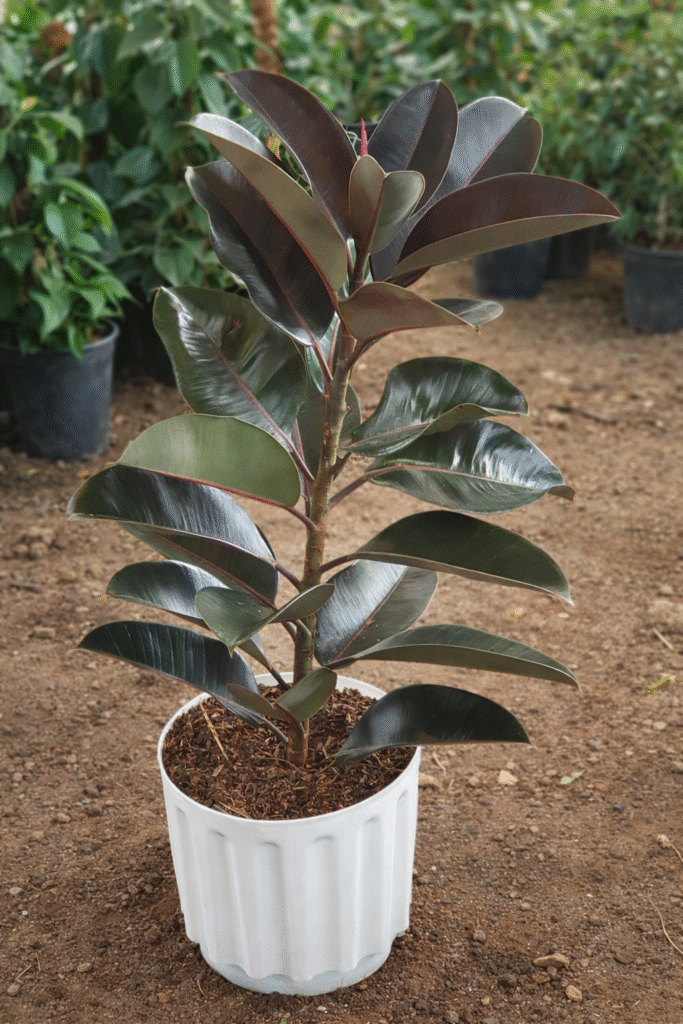
Purchase healthy Rubber Plants and stylish pots from
Planters.co.ke — Kenya’s trusted online store for indoor plants, decorative planters, and expert plant care solutions.
Final Thoughts
The Rubber Plant is a versatile, elegant, and resilient indoor plant that enhances any Kenyan home or office. With its glossy leaves, low maintenance, and air-purifying qualities, it is an ideal choice for both beginners and seasoned plant enthusiasts seeking beauty and practicality.