


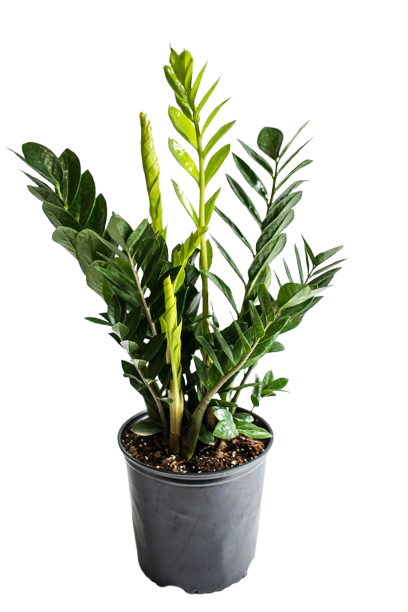
ZZ Plant : Care, Benefits & Indoor Growing Guide
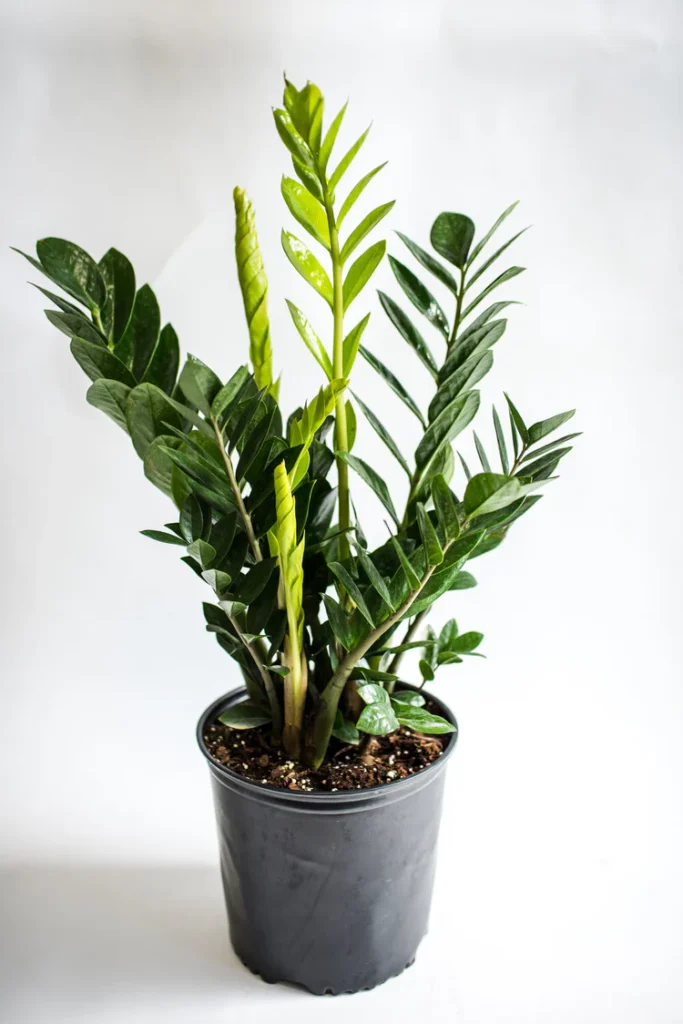
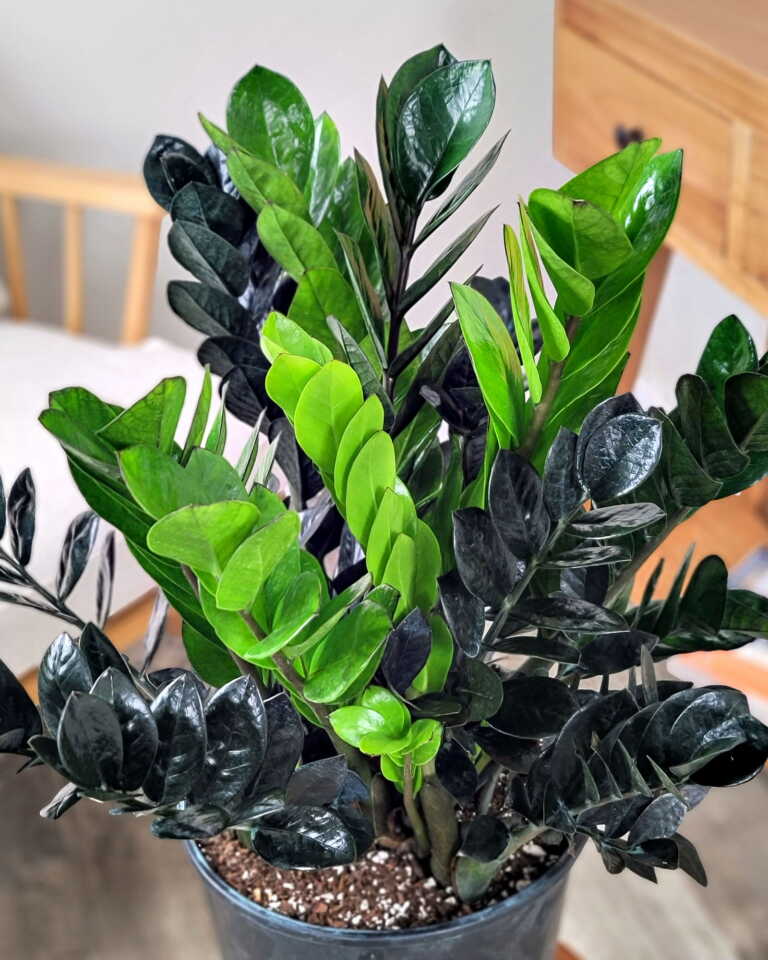
The ZZ Plant (Zamioculcas zamiifolia) is one of the most resilient and low-maintenance indoor plants in Kenya. Known for its glossy, dark green leaves and upright growth habit, it adds elegance to homes, offices, and commercial spaces. Perfect for both beginner and seasoned plant enthusiasts, the ZZ Plant thrives in Kenyan indoor conditions, tolerates low light, and requires minimal watering, making it ideal for anyone seeking stylish indoor plants Kenya homes love.
Why Grow a ZZ Plant?
- Extremely low-maintenance and drought-tolerant.
- Improves indoor air quality and adds greenery to any space.
- Ideal for low-light conditions in offices and homes.
- Glossy, upright leaves provide a modern, stylish aesthetic.
- Resilient against common pests and neglect.
Cultural & Historical Significance
Native to Eastern Africa, the ZZ Plant is adapted to survive periods of drought and low light, thriving in challenging conditions. Globally, it symbolizes prosperity, luck, and resilience, making it a popular choice in offices, gift plants, and Feng Shui arrangements. In many cultures, ZZ Plants are used as decorative indoor plants to bring positive energy, balance, and low-maintenance greenery into homes.
Ideal Growing Conditions in Kenya
- Sunlight: Low to bright indirect light; avoid direct sunlight which can scorch leaves.
- Temperature: 18–30°C; perfect for indoor conditions across Nairobi, Kiambu, Nakuru, and Mombasa.
- Soil: Well-draining potting mix with sand or perlite.
- Watering: Water every 2–3 weeks; allow soil to dry completely between watering.
- Humidity: Tolerates normal indoor humidity levels.
How to Plant a ZZ Plant
- Choose a pot with drainage holes to prevent root rot.
- Fill the pot with a well-draining mix of soil, sand, and perlite.
- Place the rhizome or plant upright in the soil.
- Fill around the roots with soil and firm gently.
- Water lightly and position in a location with indirect light.
Care Tips
- Allow the soil to dry completely between waterings to prevent rot.
- Wipe leaves occasionally to maintain glossy appearance.
- Fertilize sparingly, only during the growing season (once every 2–3 months).
- Rotate the plant to encourage even growth.
- Repot every 2–3 years when the plant outgrows its container.
Pests & Diseases
- Mealybugs: White cotton-like pests; remove manually or use neem oil.
- Scale insects: Small bumps on stems; apply insecticidal soap.
- Root rot: Caused by overwatering; ensure soil is well-draining.
- Leaf yellowing: Often due to overwatering or low light stress.
Pet Safety
The ZZ Plant is toxic to cats and dogs if ingested, causing mild stomach upset or irritation. Keep out of reach of pets in Kenyan households.
Growing in Containers
The ZZ Plant thrives in medium to large containers indoors. Use a pot with drainage holes and a well-draining mix. Perfect for living rooms, offices, and shaded patios, container-grown ZZ Plants require minimal watering and little maintenance while providing a bold, glossy focal point.
Where to Buy ZZ Plants in Kenya
Purchase healthy ZZ Plants and stylish planters from
Planters.co.ke — Kenya’s trusted online store for indoor plants, planters, and expert plant care advice.
Final Thoughts
The ZZ Plant is a perfect indoor plant for busy Kenyan households or offices seeking greenery without constant care. Its striking glossy leaves, resilience, and adaptability make it a must-have for modern interiors. With proper care, the ZZ Plant can thrive for years, enhancing both décor and indoor air quality.